Leave Your Message

Title*

First Name*

Last Name*

Phone*

country*

Message*

Customized Request

What Are Designer Cufflinks and How Do You Choose Them?

Designer Cufflinks add a small, deliberate detail to a formal outfit. They fasten French cuffs, the double-layered shirt cuffs that fold back and require cufflinks instead of buttons. The difference can be subtle: a polished silver face catches the light at a dinner table, while a matte enamel design feels quieter in an office. Small accessories still shape the overall impression.

Choosing a pair involves more than recognizing a famous label. Consider the metal, finish, fastening mechanism, and size against your shirt and other accessories. A swivel-bar closure is easy to use; a chain link offers a looser fit. Check that the backs move smoothly and the edges feel comfortable against your wrist. Useful details. They matter.

Style depends on context, too. Simple geometric designs work with many suits, while colored stones or engraved motifs can bring personality to a wedding or celebration. Match metals thoughtfully, but do not treat every mismatch as a mistake. Personal style is rarely that tidy. Price alone cannot confirm quality, so inspect the construction and ask about materials when buying. This guide explains what Designer Cufflinks are, how their details differ, and how to choose a pair that suits your wardrobe, budget, and occasion. There is no perfect pair for everyone; the right choice is one you will wear comfortably.
What Are Designer Cufflinks and How Do You Choose Them?

What Designer Cufflinks Are and How They Differ

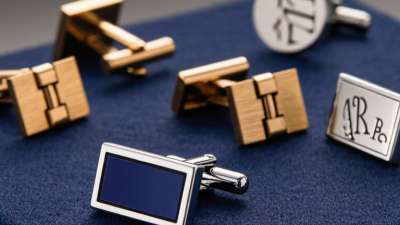
Designer cufflinks are decorative fasteners that secure French cuffs, the turned-back shirt cuffs with paired buttonholes. “Designer” usually signals deliberate choices in materials, shape, finishing, and construction—not a different function. Some use enamel, stone, or polished metal; others rely on a simple engraved surface. The distinction from basic cufflinks is often subtle: better-defined edges, smoother backs, and more considered proportions. The function is unchanged.

Details matter. Yet a design label alone cannot prove quality; inspect the fastening mechanism and finish in person when possible. Deloitte’s 2023 Global Powers of Luxury Goods report recorded US$347 billion in combined sales among the 100 largest luxury goods companies for fiscal 2022. That figure describes the wider luxury market, not cufflink sales, but it shows why premium positioning is common across accessories. A high price may reflect workmanship—or simply styling. It is worth questioning.

Tips: Match metal tone to your watch or belt buckle, then consider the occasion. For a first pair, choose a secure swivel-back closure and a modest shape that sits neatly beneath a jacket sleeve. Check for sharp edges; they can snag delicate shirt fabric.

Common Materials, Designs, and Fastening Mechanisms

Designer cufflinks combine a visible design with a small piece of functional hardware. Common materials include sterling silver, gold, stainless steel, enamel, and mother-of-pearl. Each wears differently. Silver can show fine scratches, while enamel adds crisp color but may chip if knocked against a hard desk. The World Gold Council reported 1,877 tonnes of global gold jewellery demand in 2024, down 11% from 2023. This wider jewellery figure is useful context, not a cufflink sales statistic. Gold tone alone also does not prove solid gold; check the product description and metal markings.

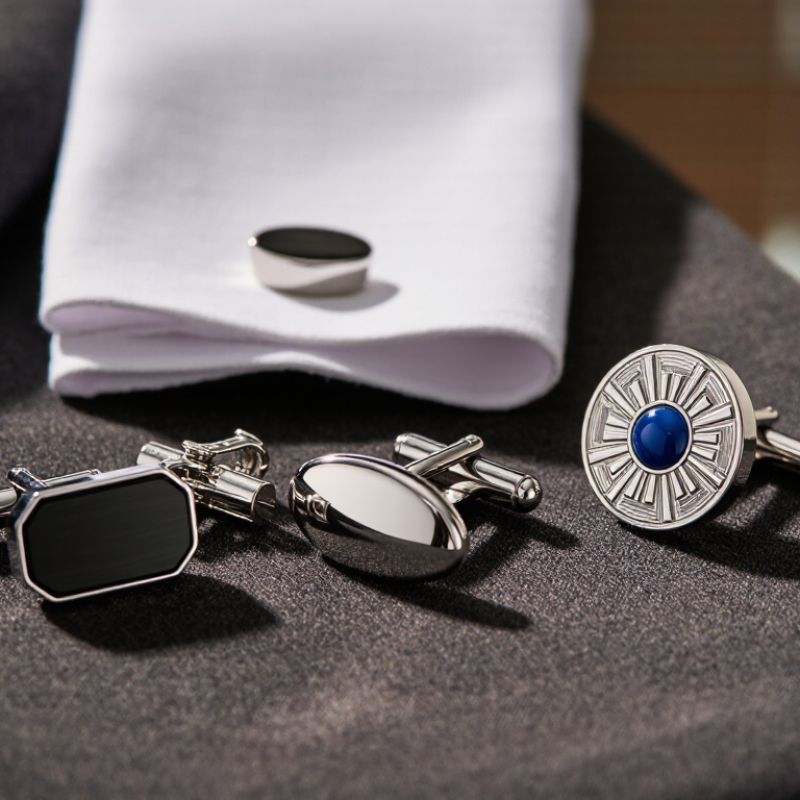
Design affects how cufflinks sit with a shirt. Round or oval faces look restrained, while engraved patterns and colored inlays draw more attention. For daily wear, consider the shirt’s cuff opening and the cufflink’s face size. Too large can feel awkward. Fastening matters, too: swivel-bar backs are quick to secure, whale-back closures are familiar and simple, and chain links allow a looser fit. T-bar mechanisms are convenient, but tiny parts can be fiddly with cold fingers. I would test the closure before buying; photographs rarely show how smoothly it turns. A slightly imperfect finish may even suit a hand-worked design, though it should not hide rough edges or a loose fitting.

How Cufflink Styles Match Different Shirt Cuffs

French cuffs are the clearest match for cufflinks. Their folded fabric has two aligned buttonholes, creating a neat opening for the link. On a crisp white shirt, a small silver-toned pair looks restrained; colored stone or enamel adds contrast without needing a loud pattern. Check the cuff’s thickness, too. Heavy links can pull a soft cuff out of shape, while tiny links may disappear beneath a jacket sleeve. A comfortable fit matters.

Some shirts have convertible cuffs, with both buttons and link holes. These offer flexibility, though the extra fabric can make a bulky cuff feel crowded. Choose a slim design, then check that the cuff closes smoothly and the link stays visible. Traditional button cuffs usually are not made for cufflinks; forcing them through can damage the shirt. I have found that matching metal to a watch can look considered, but it is not a rule. Sometimes the shirt’s texture matters more. A matte link against brushed cotton may feel more natural than a polished one. Fit first. Style follows.

How to Choose Cufflinks for Your Style, Occasion, and Budget

Designer cufflinks are small accessories distinguished by thoughtful design, materials, and finishing. They usually suit shirts with French cuffs, where the folded fabric leaves room for a visible fastening. Choose a shape that feels natural with your wardrobe: rounded metal links look understated, while colored enamel or stone adds contrast. Keep proportions comfortable. Oversized pieces can catch on sleeves, and very small ones may disappear beneath a jacket.

Let the occasion guide the level of detail. Plain silver or gold tones work well for formal events and office wear; playful motifs feel more relaxed at dinners or celebrations. Consider what you already wear. Matching cufflinks to a watch or belt buckle can make an outfit feel cohesive, though exact matching is not essential. Set a budget before comparing pieces, and check the fastening, edges, and finish. A secure mechanism and smooth surfaces matter more than a decorative box. I sometimes overthink coordination; a simple pair can be the better choice.

Tips: Try them with your actual shirt before buying. Check that both links sit evenly and pass easily through the cuff holes. For a first pair, choose a versatile finish you can wear often. Small details matter.

How to Wear and Care for Designer Cufflinks

Designer cufflinks can bring a quiet detail to a formal outfit, but fit matters more than flash. Choose a pair that suits your shirt cuff: most styles are made for French cuffs, where two buttonholes meet. Slide each link through both layers and fasten it without pulling the fabric tight. A simple metal shape works well with a dark suit, while colored stones or enamel add contrast. Matching the metal to your watch can create a polished look, but it is not a strict rule.

Tips: Put cufflinks on after dressing, and check that each clasp sits securely. Keep your movements natural; links should not catch on a jacket sleeve. Less is more.

Remove cufflinks before laundering or pressing a shirt. After wearing them, wipe away skin oils with a soft, dry cloth. Store each pair separately in a lined box to prevent scratches, especially if the design has enamel or stones. Avoid soaking delicate finishes or using harsh cleaners; a jeweler can advise on materials you are unsure about. I have found that storage is easy to overlook, yet loose links in a drawer can quickly lose their shine.