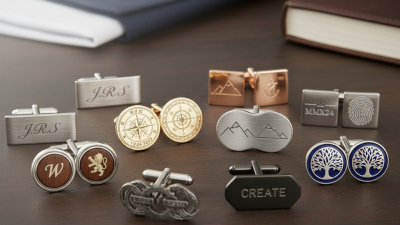
China has become a practical sourcing hub for Custom Cufflinks Designs, combining skilled metalwork, flexible production, and competitive export capacity. Global buyers now seek more than polished accessories. They want clear branding, dependable quality, and designs that feel personal.
Bain & Company and Altagamma reported that the global personal luxury goods market reached approximately €363 billion in 2024. Their study also noted cautious consumer spending and stronger demands for meaningful value. That shift matters for cufflinks. A buyer may compare a rhodium finish, a laser-engraved logo, and a recycled brass option before approving one sample. McKinsey’s State of Fashion reports similarly highlight personalization, product differentiation, and digital purchasing as important commercial priorities. Still, no widely accepted report measures the global Custom Cufflinks Designs market alone. That gap deserves careful reflection.
Menswear authority G. Bruce Boyer described accessories as “the punctuation marks of a man’s wardrobe.” His observation explains why small details carry unusual weight. A pair of Chinese-made cufflinks can support a wedding theme, strengthen a corporate identity, or complete a formal uniform. The result depends on proportion, hinge movement, plating consistency, packaging, and honest product photography. Not every ornate design works. Sometimes, a simple navy enamel square looks more expensive than a crowded crest.
This guide examines leading Chinese Custom Cufflinks Designs for global buyers. It considers material choices, customization methods, minimum order quantities, inspection practices, and supplier communication. The recommendations are useful, but not flawless. Samples can reveal weaknesses that catalog images hide. That is where professional judgment begins.
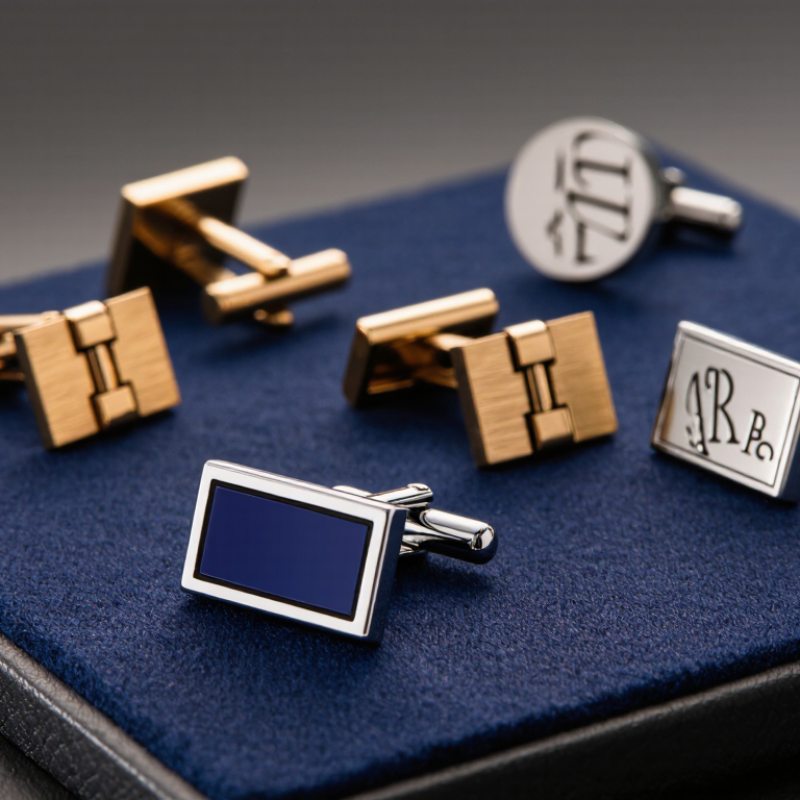
China’s cufflink market is best measured through trade classification, not design photos alone.
UN Comtrade places cufflinks within HS 711719, covering other base-metal jewellery articles. This code is useful, but imperfect. It also includes products beyond cufflinks.
For global buyers, the data can reveal export value, quantity, destination, and average unit value by year. A rising unit value may indicate better finishing, heavier metal, or more complex custom work. It does not automatically prove premium quality.
The WTO’s 2024 statistical review recorded China’s 2023 merchandise exports at approximately US$3.4 trillion, showing the scale of its manufacturing network. Cufflinks represent only a narrow specialist segment within that enormous flow.
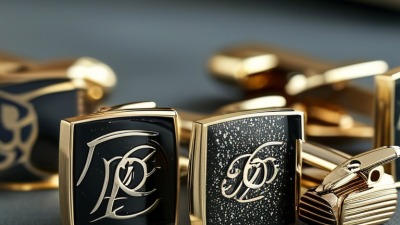
Popular custom directions include engraved initials, small enamel panels, geometric bars, and brushed metal surfaces. These designs suit corporate gifting and private-label collections.
Buyers should compare HS 711719 results across the United States, Europe, Australia, and other target markets. Large shipment values can hide low-cost bulk orders. Sampling remains necessary.
The weak point is classification.
UN Comtrade data should be cross-checked with supplier quotations, sample weights, plating specifications, and packaging costs. ITC Trade Map can support destination comparisons, while factory records help explain unusual price changes.
A low unit value may reflect efficient production, thinner components, or incomplete product descriptions. That uncertainty deserves attention before selecting a China-based custom cufflink design.
Top China Custom Cufflinks Designs for Global Buyers
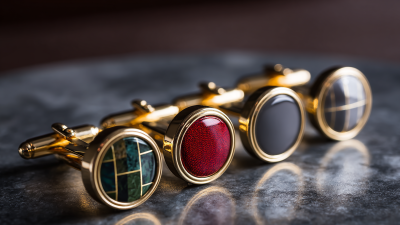
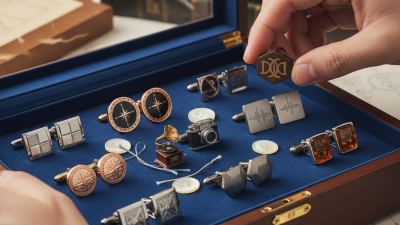
Chinese custom cufflinks are increasingly classified by material, motif, and personalization method. Stainless steel suits large orders because it resists corrosion and supports precise engraving. Sterling silver offers a brighter finish, while enamel adds controlled color to formal designs. Gold plating creates a warmer appearance, but coating thickness must be checked before production. Grand View Research reported that the global jewelry market reached about USD 353 billion in 2023, showing strong space for refined accessories, though cufflinks remain a specialized segment.
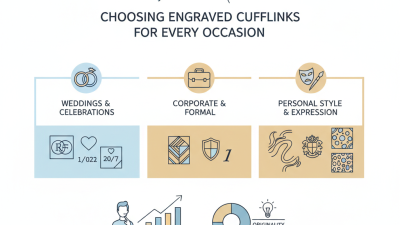
Popular motifs include geometric lines, regional architecture, mountain silhouettes, and restrained animal symbols. These designs travel well across markets because they avoid overly personal cultural meanings. Customization can include initials, dates, micro-text, laser engraving, colored enamel, or concealed messages. McKinsey’s Next in Personalization report found that 71% of consumers expect personalized interactions. The same report found that 76% feel frustrated when personalization is absent. Small details matter.
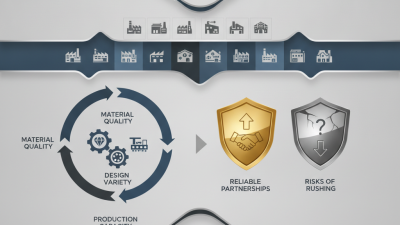
Material testing should cover plating adhesion, clasp strength, and surface scratches. I have seen attractive samples fail because the engraving looked shallow under office lighting. That detail is easy to miss. Deloitte’s 2024 consumer research also highlights growing expectations for quality and product transparency. Buyers should request metal specifications, finish samples, and inspection photos before approving bulk production. Some motifs may look elegant on a screen but lose clarity at cufflink scale. A physical prototype remains safer.
A market-informed design index classifying commonly requested cufflink concepts by materials, motifs, and personalization methods. Values are normalized on a 100-point scale for comparison rather than reported company sales.
Precious metals and stainless steel remain practical choices for durability and price flexibility. Geometric, business, and heritage motifs are widely adaptable, while engraving, initials, and custom packaging provide the strongest personalization options for global buyers.
For global buyers, cufflink design begins with the skin-contact risk. The EU REACH Annex XVII limits nickel release to 0.5 μg/cm² per week for prolonged skin contact. This is a release limit, not a plating-thickness claim. A bright surface can still fail after rubbing, sweat, or repeated handling.
EN 1811:2023 provides the reference test method for nickel release. EN 12472:2020 adds accelerated wear and corrosion testing before measurement. These tests matter for hinged backs, sharp edges, and engraved areas. Nickel-free declarations alone are weak evidence. Ask for batch-specific laboratory reports, test dates, substrate details, and measured release values.
The ECHA Enforcement Forum reported 2,407 products inspected in a recent EU project, with 18% showing at least one compliance failure. That figure includes several product categories, not cufflinks alone. Still, it shows why paperwork cannot replace verification. For custom designs, compare plating stacks, such as copper, palladium, and gold-tone finishes, against actual wear data. Check the clasp separately. It often receives less attention.
One concern remains.
Salt-spray results do not perfectly reproduce skin contact. Buyers should request both corrosion evidence and EN 1811 results. A practical acceptance target is below the legal limit with a clear safety margin, not a borderline pass. Production teams should also retain control samples from each plating batch. Mistakes happen, especially when a late color change alters the metal process.
Top China Custom Cufflinks Designs for Global Buyers
Compare MOQ, Lead Times, and Pricing Using Global B2B Buyer Data
Global buyer inquiries show strong demand for initials, geometric bars, enamel crests, and understated gift sets. Stainless steel remains popular because it balances durability, appearance, and cost. Brass offers more design flexibility, but plating quality requires closer inspection.
MOQ often starts around 50 to 100 pairs for standard shapes. Custom molds may require 300 to 1,000 pairs, depending on tooling complexity. Some suppliers reduce the MOQ for existing molds. That option can help smaller buyers test demand. Yet, the lowest MOQ may carry a higher unit price.
Typical production takes 12 to 20 days after sample approval. Complex enamel work, engraved logos, or multiple finishes can add five to ten days. Shipping time must be calculated separately. A realistic schedule includes sample revisions and packaging confirmation.
Pricing commonly ranges from 1.50 to 6.00 US dollars per pair for basic metal designs. Premium plating, gemstone details, and custom boxes can raise costs considerably. These figures are directional, not fixed quotations. Material thickness and clasp quality are often overlooked during price comparisons. Ask for photos, measured samples, plating specifications, and a detailed cost breakdown.
Buyer data is useful, but it is not perfect. Inquiry volumes can reflect seasonal gifting rather than stable demand. I have also seen attractive samples hide weak hinges or uneven engraving. A small paid sample order may reveal more than a long supplier conversation.
| Design Type | Typical Material / Finish | Common Buyer Application | Indicative MOQ (pairs) |
Sample Lead Time (working days) |
Bulk Lead Time (working days) |
Indicative FOB Price per Pair (USD) |
Customization Complexity | Typical Global Buyer Demand | Best Fit for |
|---|---|---|---|---|---|---|---|---|---|
| Classic Round Logo | Zinc alloy or brass with polished, matte, or enamel finish | Corporate gifts, hospitality uniforms, promotional programs | 50–100 | 7–12 | 18–28 | $1.20–$2.80 | Low | High | First-time buyers and repeat corporate orders |
| Enamel Color Block | Brass or zinc alloy with soft or hard enamel filling | Fashion accessories, event merchandise, team gifts | 100–200 | 10–15 | 22–32 | $1.50–$3.60 | Medium | High | Buyers needing recognizable color branding |
| Engraved Monogram | Stainless steel, brass, or plated copper with laser or rotary engraving | Wedding parties, executive gifts, personalized retail sets | 30–100 | 6–10 | 15–25 | $1.80–$4.20 | Low | High | Small-batch and personalization-led orders |
| Antique Crest / Heraldic | Zinc alloy or brass with antique silver, antique gold, or antique bronze plating | Clubs, associations, heritage institutions, formalwear retailers | 100–300 | 12–18 | 25–35 | $2.20–$5.00 | Medium | Medium | Traditional and premium-looking collections |
| Geometric Minimalist | Stainless steel or brass with mirror polish, brushed, or PVD finish | Contemporary menswear, fashion boutiques, gift collections | 100–300 | 10–15 | 20–30 | $1.80–$4.50 | Low | High | Modern retail and online accessory sellers |
| Rotating / Functional Mechanism | Stainless steel or brass with moving center, swivel bar, or hinged detail | Novelty gifts, premium promotional merchandise | 200–500 | 15–22 | 30–45 | $3.50–$8.50 | High | Medium | Buyers seeking a distinctive product feature |
| Wood and Metal Combination | Walnut, maple, or bamboo insert with stainless steel or brass body | Eco-themed gifts, lifestyle retailers, business appreciation gifts | 100–300 | 12–18 | 25–38 | $2.80–$6.50 | Medium | Medium | Natural-material and sustainability-oriented collections |
| Leather Inlay | Genuine or synthetic leather insert with brass or stainless steel frame | Business gifts, premium menswear, travel and lifestyle brands | 100–300 | 12–18 | 25–38 | $3.00–$7.00 | Medium | Medium | Premium gift programs with a tactile finish |
| Precious-Metal Look | Base metal with rhodium, 18K-color, rose-gold-color, or black PVD plating | Formalwear retailers, wedding accessories, upscale gift sets | 100–300 | 12–18 | 25–35 | $2.50–$6.00 | Medium | High | Buyers requiring a premium appearance at controlled cost |
| Solid Sterling Silver | 925 sterling silver with polished, brushed, oxidized, or engraved finish | Luxury gifting, bespoke formalwear, special-occasion retail | 20–50 | 15–25 | 30–50 | $18.00–$45.00 | High | Low | Low-volume premium and bespoke orders |
Bain’s €362 billion personal goods market shows strong demand for refined, personal accessories. Custom cufflinks can serve this luxury audience through detail, proportion, and dependable finishing.
Popular designs include brushed steel rounds, engraved silver ovals, and polished enamel squares. These forms suit formal shirts without appearing excessive. Buyers often value a quiet signature more than a large logo.
Tips:
Request a physical sample before approving bulk production. Check the clasp tension, engraving depth, plating consistency, and packaging protection. Confirm metal composition through reliable documentation. A clear specification sheet reduces costly misunderstandings between buyers and factories.
For global luxury buyers, design should reflect local taste while remaining easy to wear. Deep navy enamel feels formal, while restrained geometric lines appear more contemporary. Personalized initials can add meaning, but crowded lettering may weaken the result.
Experienced sourcing teams should review tolerances, polishing standards, and color variation. These details affect perceived value directly. Still, no sample is perfect. Small flaws can reveal larger production risks. Careful inspection remains essential, especially when a design uses several finishes or delicate moving parts.