Finding the right Cufflinks Supplier in China requires more than comparing unit prices. It demands evidence, product knowledge, and careful communication. Bain & Company and Altagamma valued the global personal luxury goods market at approximately €362 billion in 2023. That scale creates opportunity, but it also increases competition and quality expectations. Cufflinks must look refined in a display case and remain reliable after repeated use.
A dependable supplier should explain metal composition, plating thickness, stone setting, clasp construction, and inspection procedures. Ask for physical samples. Check whether the pair feels balanced, closes smoothly, and shows clean engraving under bright light. Request factory photographs, production capacity, lead times, and a recent quality-control report. ISO 9001 certification can support process credibility, although certification alone proves little. A polished catalog is not proof.
Trade data and market reports offer useful context, but they rarely isolate cufflinks as a separate category. Therefore, supplier verification must combine research with direct experience. The International Trade Centre’s Trade Map can help compare export patterns and target markets. China’s customs documentation can also support shipment and product-code checks. Small details matter. Can the supplier reproduce a logo accurately? Can packaging survive humidity and transit? Does the sales team answer technical questions clearly?
This guide explains how to compare Chinese suppliers, verify their capabilities, and reduce avoidable sourcing risks. It also examines pricing, sampling, customization, communication, and ethical production practices. Some decisions remain imperfect. A lower price may hide weaker plating or inconsistent polishing. Careful buyers test before trusting.
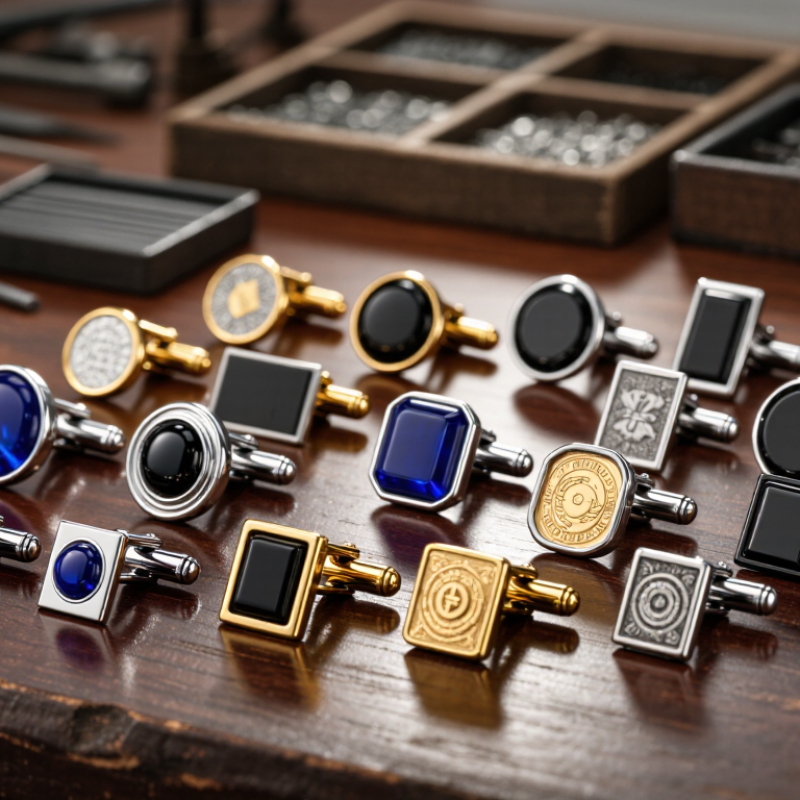
Define the product before contacting factories. Specify base metal, plating thickness, dimensions, closure type, weight, and target price. A 16-millimeter whale-back cufflink needs a firm hinge and smooth edges. Ask for tolerances, not vague quality. Grand View Research valued the global jewelry market at USD 353.26 billion in 2023. That figure covers jewelry broadly, not cufflinks alone. Still, it indicates strong competition and demanding buyers.
Supplier criteria should match the product risks. Request material certificates, plating test results, nickel-release evidence, and pre-shipment inspection records. Confirm whether documents apply to the actual production batch. The World Bank’s 2023 Logistics Performance Index ranked China 19th, with a score of 3.7 out of 5. Logistics remain important. Ask for carton dimensions, delivery terms, production capacity, and a realistic lead-time buffer. Promises are not evidence.
Order samples in at least two finishes. Check hinge resistance, engraving depth, clasp alignment, edge smoothness, and color consistency under daylight. Record each defect with photographs and measurements. A supplier may pass sampling but fail during mass production. That happened in my early sourcing work. I underestimated packaging damage and repeated the mistake. Now I request a pilot order before committing to larger quantities. I would still review the process again, because sample approval alone cannot prove long-term consistency.
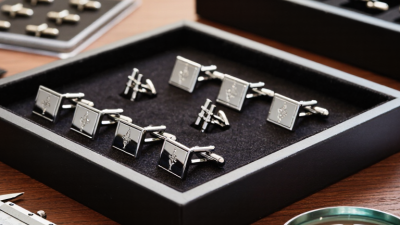
Define your cufflink product requirements and supplier criteria before comparing manufacturers. The chart shows practical screening targets for a consistent supplier evaluation.
Use these measurable targets during supplier qualification: minimum order quantity, production lead time, acceptable defect rate, plating thickness, and response time. Final requirements should be adjusted according to the cufflink design, material, finish, packaging, and order volume.
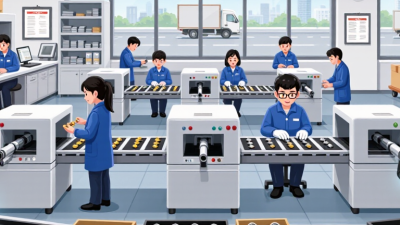
China’s cufflink supply chain is concentrated in several practical manufacturing regions. Guangzhou and nearby areas are strong for fashion accessories, plating, packaging, and export services. Yiwu is useful for varied designs, low-volume testing, and trading-company sourcing. Dongguan and surrounding Guangdong factories often handle precision metal parts, polishing, laser engraving, and assembly. Regional strengths overlap.
Supplier type matters as much as location. A direct factory usually offers better control over metal composition, plating thickness, and production changes. A trading company may provide faster design selection and mixed orders, but factory visibility can be limited. Small workshops may create excellent samples, yet their quality systems are sometimes informal. That is a risk.
UN Comtrade places many cufflinks within the broader HS 711719 imitation-jewellery category. Its data can indicate export activity, but it cannot measure cufflink output alone. Treat shipment figures carefully. The World Bank’s 2023 Logistics Performance Index scored China at 3.7, supporting its strong export infrastructure, though logistics performance varies by city and supplier. Request recent audit records, material declarations, pre-production samples, and independent tests for nickel release and lead content. Inspect hinge alignment and box compression too. A polished sample proves little. My own sourcing lesson is uncomfortable: the cheapest quote often hides inconsistent plating or unclear subcontracting. Verify twice.
A reliable cufflinks supplier in China should prove quality, not merely promise it. Request material specifications for brass, stainless steel, plating thickness, and stone setting. Ask for recent inspection records and random pre-shipment samples. ISO’s Survey of Management System Standard Certifications 2023 recorded more than 1.2 million ISO 9001 certificates worldwide. Certification does not guarantee perfect cufflinks, but it shows whether documented quality controls exist. Check certificate scope, issuing body, and expiry date carefully.
Experience matters when details are small. A factory producing promotional metal parts may struggle with precise hinges, polished edges, or secure backs. Ask for production photos, defect rates, monthly output, and examples from similar orders. The World Trade Organization reported that China supplied about 14% of global merchandise exports in 2022. Scale can support capacity, but it may also reduce attention to smaller orders. That trade-off deserves discussion.
Tips: Send a measured technical drawing, not only a product photo. Request a pilot batch before full production. Compare samples under daylight and magnification. Ask how many quality inspectors work each shift. Confirm whether plating tests, pull tests, and packaging checks are recorded. The World Bank’s 2023 Logistics Performance Index placed China 19th globally, yet shipping performance can vary by port and season. Build buffer time into the schedule. I have seen attractive samples hide loose mechanisms, so trust evidence more than polished presentations. Even a good supplier can miss details without clear acceptance standards.
Finding the best cufflinks supplier in China starts with comparable samples, not attractive photos. Request identical designs in the same metal, finish, and packaging. Check hinge movement, engraving depth, plating consistency, and clasp alignment. Use a ruler and a bright desk lamp. Small details matter. I once accepted a sample after checking only its front. The reverse later showed uneven polishing. That mistake changed my inspection process.
A serious supplier should provide a clear quotation. Ask whether the price includes molds, engraving, packaging, and export preparation. Compare prices by total landed cost, not unit price alone. Tooling and custom molds can raise early expenses. For personalization, confirm logo size, artwork format, color limits, and approval stages. Request a pre-production sample before paying for a large run. It feels slower. It prevents expensive surprises.
Minimum order quantity can reveal a supplier’s flexibility. Compare suppliers offering reasonable trial quantities and scalable production. A low MOQ may carry a higher unit price, but it reduces inventory risk. A high MOQ can trap cash in unsold stock. Check lead times, quality records, packaging protection, and communication speed. Ask for written tolerances for scratches, color variation, and alignment. One weakness in my own buying process was relying on verbal promises. Written specifications exposed gaps before production started. If a supplier resists clear sample approval or basic inspection, pause the order.
How to Find the Best Cufflinks Supplier in China?
A dependable supplier should communicate clearly before you discuss price. Ask for metal specifications, plating options, logo methods, sample timing, and carton details. A professional contact answers within an agreed period and records changes in writing. Request close-up photos and a video of the sample inspection. Vague replies often become costly production mistakes. I once overlooked a small engraving tolerance, and the final pieces looked less refined than expected. That experience taught me to confirm every measurement.
Shipping terms need equal attention. Compare door-to-door quotes with port delivery, then identify who handles export documents, insurance, and customs responsibilities. Ask for a realistic production schedule, not an optimistic promise. Payment should protect both sides. Use a traceable business account, staged payments, and written refund conditions for defective samples. Never rely on personal accounts or unclear invoices. A secure process is not always the fastest one.
Tips: Send a one-page specification sheet. Include dimensions, weight, finish, packaging, and inspection standards. Keep one approved sample for comparison. For after-sales support, ask how the supplier handles scratches, missing units, or late shipments. Set a response deadline and request evidence before accepting a replacement. A small pilot order can reveal more than polished sales language. Still, inspection cannot catch everything. Leave room for honest review and process improvement.
| Evaluation Dimension | Measurable Indicator | Strong Reference Benchmark | Evidence to Request | Weight |
|---|---|---|---|---|
| Communication | Initial response time | Within 1 business day; urgent questions acknowledged within 4 working hours | Time-stamped email or platform message history | 10% |
| Communication | Quotation completeness | Includes material, plating, logo method, packaging, MOQ, tooling, lead time, and shipping terms | Itemized quotation and product specification sheet | 8% |
| Communication | Technical understanding | Confirms dimensions, tolerances, finish, attachment mechanism, and packaging requirements in writing | Approved drawing, sample specification, and written change log | 7% |
| Product Quality | Sample-to-bulk consistency | Bulk goods match the approved sample in color, dimensions, engraving, finish, and mechanism | Golden sample, pre-shipment inspection report, and defect records | 12% |
| Product Quality | Material and plating documentation | Material declaration and compliance documents appropriate to the destination market | Material certificates, plating specifications, and applicable test reports | 8% |
| Shipping Terms | Incoterms clarity | One clearly stated Incoterms® 2020 rule, named place, included costs, and excluded costs | Commercial quotation showing the exact term, place, and cost breakdown | 10% |
| Shipping Terms | Production and transit planning | Separate production lead time from transit time; provides a realistic dispatch date and tracking process | Production schedule, packing list, invoice, and shipping-document checklist | 8% |
| Shipping Terms | Packaging protection | Individual protection prevents scratching, tarnishing, and movement during transport | Packaging photos, carton dimensions, gross weight, and drop-test or packing records when relevant | 5% |
| Payment Security | Payment structure | Deposit and balance terms are written in the contract; balance is linked to agreed inspection or shipment milestones | Signed sales contract, pro forma invoice, and milestone schedule | 10% |
| Payment Security | Beneficiary verification | Bank-account beneficiary matches the contracted legal entity; changes are independently verified | Business-license details, contract entity, bank certificate, and verified contact channel | 8% |
| Payment Security | Inspection and acceptance terms | Defines inspection method, acceptable quality level if used, claim deadline, and remedy for nonconforming goods | Quality clause, inspection report template, and nonconformity procedure | 7% |
| After-Sales Support | Defect response time | Acknowledges quality claims within 1 business day and provides an action plan within 3 business days | Written after-sales policy and examples of corrective-action reports | 7% |
| After-Sales Support | Remedy options | Provides documented options such as replacement, rework, credit, or refund according to the contract | Warranty terms, claim form, photo requirements, and replacement timeline | 5% |
| Supplier Verification | Legal and operational verification | Company identity, operating address, production capability, and export experience are independently checked | Business registration, facility video or audit, references, and export documentation | 5% |
| Total Evaluation Weight | 100% | |||