| Overall Shape |
Round
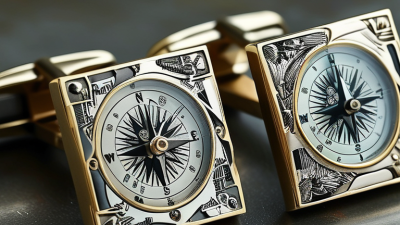
Square
Rectangle
Oval
|
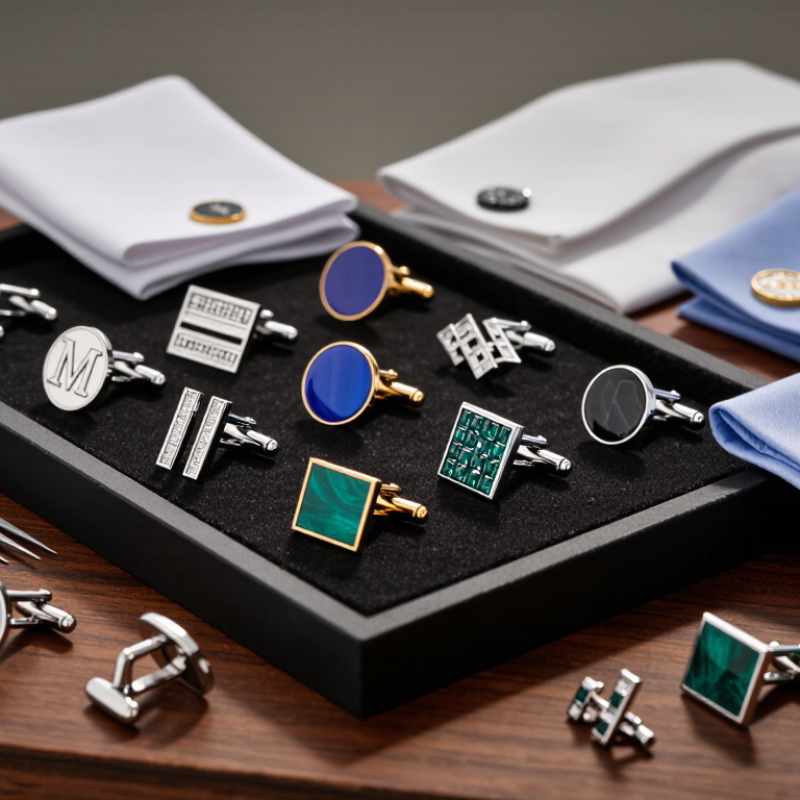
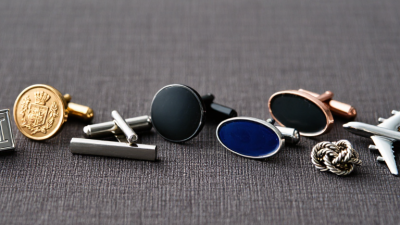
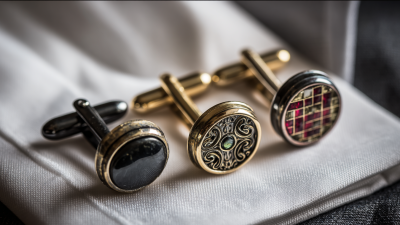
Choose a compact silhouette that sits comfortably on the cuff without catching on clothing. Round and oval shapes usually create a softer appearance, while square and rectangular forms look more structured. |
Use initials, dates, coordinates, or a small icon centered within the face. |
Allow a clear margin around the engraving so the design remains readable at a small scale. |
Polished edges, beveled borders, or a contrasting outline can add definition without making the face look crowded. |
Daily business wear, formal events, and versatile gifts. |
| Base Material |
Sterling Silver
Gold
Stainless Steel
Titanium
|
Sterling silver is traditionally associated with dress accessories. Gold provides a warmer appearance, while stainless steel and titanium are commonly selected for durability and a contemporary look. |
Match the personalization style to the material: classic script for precious metals or clean geometric lettering for modern metals. |
Confirm the material before selecting plating, enamel, gemstones, or other surface treatments. |
For small text, a smooth, stable surface is generally easier to engrave than a heavily textured one. |
Material choice should reflect wardrobe, budget, maintenance preference, and occasion. |
| Surface Finish |
High Polish
Brushed
Satin
Hammered
|
Polished finishes reflect more light and appear formal. Brushed or satin finishes reduce visible reflections and can give a more understated appearance. |
Use a polished engraving on a matte field, or a matte engraving on a polished field, to improve visual contrast. |
Combine finishes carefully; too many surface textures may reduce visual clarity. |
Engraving is most legible when the background and engraved area have noticeable contrast. |
Polished for eveningwear; brushed or satin for business and everyday styling. |
| Symbol Selection |
Initials
Monogram
Date
Constellation
Geometric Icon
|
Select a symbol with personal meaning and a simple outline. Fine details may become difficult to recognize on a small cufflink face. |
Combine a meaningful symbol with initials or a short date for a balanced design. |
Simple line art is generally more suitable than intricate illustrations for small-scale engraving. |
Use enamel, recessed lines, or a contrasting metal tone to separate the symbol from the background. |
Weddings, anniversaries, graduations, professional milestones, and personal gifts. |
| Engraving Format |
Text
Initials
Roman Numerals
Coordinates
Short Message
|
Shorter wording usually provides better readability and a cleaner appearance. Review spelling, capitalization, punctuation, and date format before production. |
Examples include “A & J,” “12.06.2026,” “EST. 2026,” or a brief phrase with personal significance. |
Ask for the available character area and proof layout before approving the order. Font height, spacing, and stroke thickness affect legibility. |
Choose serif, sans-serif, or script lettering according to the overall design; avoid using several fonts together. |
Meaningful personalization that remains subtle and wearable. |
| Placement of Personalization |
Center Face
Outer Border
Reverse Side
Both Sides
|
Center placement is easiest to notice. Reverse-side engraving keeps the front visually minimal and creates a private detail. |
Place a monogram on the front and a date or message on the reverse side. |
Keep text away from hinges, moving parts, and narrow edges where it may be harder to read or produce. |
A border can frame the main symbol, while reverse engraving works well for longer personal messages. |
Visible statement pieces or discreet sentimental gifts. |
| Color and Inlay |
Enamel
Mother-of-Pearl
Wood
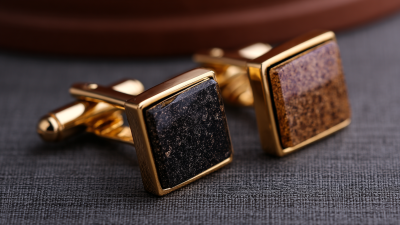
Stone
|
Inlays introduce color and texture but may require more careful handling than a plain metal surface. Natural materials can vary in pattern and tone. |
Use one accent color related to a ceremony, uniform, favorite color, or personal style. |
Keep the inlay pattern subordinate to the initials or symbol so the main personalization remains clear. |
Use contrasting enamel or a light-colored inlay to improve separation between the background and the engraved detail. |
Distinctive gifts and occasion-specific designs. |
| Gemstone or Crystal Accent |
Single Accent
Birthstone Color
Small Border Setting
No Stone
|
A single accent creates a restrained look, while a border setting produces a more decorative effect. Consider whether the stones could snag on fabric. |
Choose a birthstone color, anniversary color, or a stone that complements the wearer’s usual accessories. |
Place stones away from the primary engraving area to preserve readability and visual balance. |
Use one focal feature rather than combining multiple competing colors, patterns, and textures. |
Celebratory gifts, formal occasions, and fashion-forward styling. |
| Back Mechanism |
Bullet Back
Whale Back
Chain Link
Fixed Bar
|
Choose a mechanism that is secure, comfortable, and compatible with the wearer’s preferred cuff style. Moving mechanisms should be checked periodically for wear. |
Use the reverse side for a small maker-neutral hallmark, date, initials, or private message when space allows. |
Coordinate the back mechanism’s finish with the front face for a consistent appearance. |
Avoid placing important text where it may be hidden by the mechanism or difficult to access. |
Comfort, security, and ease of use should take priority over purely decorative features. |
| Proportion and Wearability |
Slim Profile
Medium Face
Statement Size
|
Choose the size according to the wearer’s wrist, shirt cuff, and personal style. A slimmer profile is generally less likely to interfere with sleeves. |
Reserve larger faces for bold monograms or symbols and smaller faces for initials or single dates. |
More surface area allows greater flexibility, but excessive text can still make the design look crowded. |
Use a raised rim, recessed center, or stepped profile to create depth without excessive bulk. |
Small and medium proportions suit most formal wardrobes; larger designs suit expressive styling. |
| Care and Longevity |
Store Separately
Keep Dry
Soft Cloth
Avoid Chemicals
|
Wipe cufflinks with a soft cloth after use and store them separately to reduce scratches. Remove them before swimming, bathing, or applying fragrance and cosmetics. |
Preserve the engraving by avoiding abrasive cleaning products and aggressive polishing on textured or plated surfaces. |
Inspect stones, inlays, hinges, and clasps periodically, especially after frequent wear. |
Choose durable details when the cufflinks are intended for regular use rather than occasional events. |
Long-term ownership, heirloom gifts, and frequently worn accessories. |