Leave Your Message

Title*

First Name*

Last Name*

Phone*

country*

Message*

Customized Request

What Are the Top 10 Custom Cufflinks Designs for Buyers?

Choosing the right cufflinks can sharpen a formal outfit without making it feel overdesigned. Buyers often compare shape, metal, engraving, color, and fastening style before making a decision. This guide explores the top 10 Custom Cufflinks Designs for different occasions, personalities, and budgets.

The selection includes classic silver squares, engraved initials, family crests, enamel accents, novelty shapes, and minimalist bars. Each design offers a different visual effect. A polished pair can reflect light at a wedding reception. Matte black cufflinks may suit a quiet business dinner. Personal experience suggests that comfort matters as much as appearance. Sharp edges and loose backs become irritating after several hours.

Material quality deserves close attention. Stainless steel, sterling silver, gold plating, and enamel can perform differently with frequent wear. Buyers should check the clasp, engraving depth, finish consistency, and care instructions. A reputable maker should explain these details clearly. Product photographs can hide small flaws.

That matters.

No single design suits everyone. A bold monogram may feel meaningful to one buyer but excessive to another. Even a beautiful crest can look unclear when reduced to a tiny surface. The ideal choice balances symbolism, durability, shirt compatibility, and realistic maintenance. This overview is designed to help buyers question attractive details, compare practical features, and choose cufflinks that remain useful beyond one special event.
What Are the Top 10 Custom Cufflinks Designs for Buyers?

Defining Custom Cufflinks and Their Main Design Features

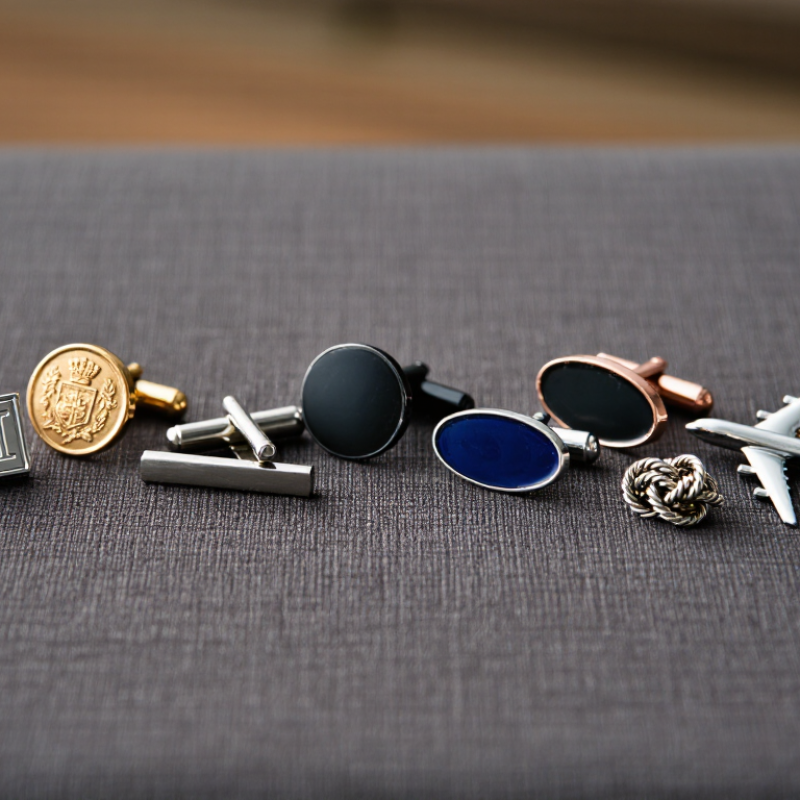
Custom cufflinks are shirt accessories designed or modified for one buyer, event, or identity. Unlike standard pieces, they can reflect initials, dates, symbols, occupations, or personal stories. That distinction matters. The main design features include shape, material, finish, engraving, color, and fastening style. Buyers usually choose round, square, rectangular, oval, knot, geometric, monogram, enamel, stone-set, or themed designs. Each option creates a different visual impression on the shirt cuff.

Material affects both appearance and daily comfort. Stainless steel offers practical durability, while silver-toned metals create a softer, formal look. Matte finishes hide fingerprints better than polished surfaces. Engraving should remain clear at a small scale, especially when letters are tightly spaced. Enamel can add strong color, but thin edges may chip through careless handling. A swivel-bar closure is convenient, while fixed-back styles often feel more secure. I have found that a 16–20 millimeter face suits many cuffs without looking crowded.

Proportion still needs careful judgment. A detailed crest may become unreadable when reduced. That is a common design mistake. The back mechanism should also match the wearer’s dexterity and shirt thickness. Buyers should request a physical sample or accurate size drawing before production. Digital previews can make metal look flatter or brighter than reality. Small imperfections sometimes reveal handmade character, although uneven engraving usually signals weak quality control. Reliable makers explain the metal composition, dimensions, finish, care instructions, and revision limits clearly.
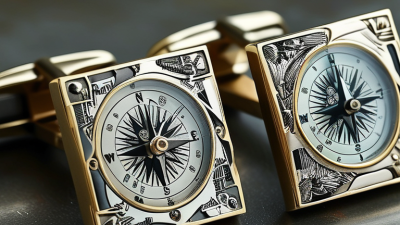
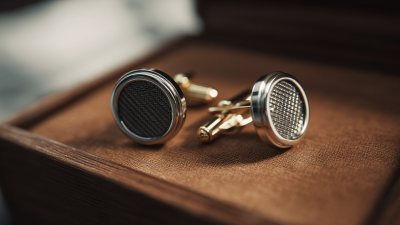
Comparing the Top Ten Custom Cufflink Design Styles

When comparing the top ten custom cufflink design styles, start with the occasion and shirt fabric. Monogram cufflinks remain a quiet classic for weddings, interviews, and formal gifts. Initial designs feel more personal, especially with two letters on a brushed metal face. Engraved dates add emotional value, but small lettering can become difficult to read. Geometric styles suit modern wardrobes and pair well with crisp white shirts. They look polished without demanding attention. A quiet classic.

Gemstone cufflinks create stronger contrast and work best with evening clothing. Enamel designs offer color, though bright shades may limit daily use. In my experience, minimalist bars are easier to match than ornate shapes. Novelty designs can express hobbies or humor, but their appeal depends heavily on the wearer.

Family crest styles appear traditional and meaningful, yet the artwork should be checked carefully before production. Custom silhouette designs can feature a meaningful object, such as a tool, leaf, or vehicle outline.

The strongest choice depends on balance, not decoration alone. Buyers should compare metal finish, engraving depth, closure strength, and comfort against the wrist. I once underestimated how quickly a raised design could catch on a shirt cuff. That detail changed my recommendation. Gold-tone finishes feel warm, while silver-tone surfaces often look sharper and more versatile. Matte faces hide fingerprints better than mirror polishing. Still, “best” is subjective. A restrained monogram may outperform a detailed design when the cufflinks need frequent wear.

Selecting Materials, Shapes, Colors, and Personal Details

Custom cufflinks work best when design choices reflect the wearer, not passing fashion alone. McKinsey reports that 71% of consumers expect personalized interactions, making initials, dates, and meaningful symbols practical details. Design one is a round sterling-silver pair with engraved initials. Design two uses brushed stainless steel and a rectangular shape for daily office wear. Design three combines rose-gold plating with an oval face. Soft, but noticeable.

Design four features deep navy enamel and a slim bar shape. Design five uses black onyx with a small silver border. It feels formal. Design six presents a square face with a family crest or carefully drawn emblem. Design seven uses warm brass tones and engraved coordinates for a travel memory. Design eight pairs mother-of-pearl with a rounded edge, although its natural pattern may vary between pieces. That variation is not a defect.

Deloitte’s 2024 luxury industry analysis emphasizes craftsmanship, quality, and customer experience as important value signals. Design nine could use recycled metal, a satin finish, and a hidden message inside the swivel bar. Design ten is deliberately simple: polished steel, a clean circle, and no engraving. It may be the hardest to personalize well. Color should match the wardrobe, not compete with it. Test the clasp, inspect the engraving depth, and check whether plating meets disclosed durability standards. A beautiful sample can still feel disappointing after repeated wear.

What Are the Top 10 Custom Cufflink Designs for Buyers?

A practical comparison of custom cufflink concepts based on material suitability, shape versatility, color coordination, and personalization potential.

The Buyer Suitability Score is an editorial planning score out of 100, calculated from versatility, personalization potential, color compatibility, and suitability for common cufflink materials such as sterling silver, stainless steel, gold, enamel, and wood. Higher scores indicate designs that offer more flexible choices for different occasions and personal styles.

Matching Cufflink Designs to Occasions and Personal Style

Choosing custom cufflinks works best when the design fits both the occasion and the wearer. For black-tie events, polished silver knots or understated onyx squares create a clean, formal finish. Weddings often suit engraved initials, date motifs, or small family crests. For business meetings, geometric bars, brushed metal circles, and enamel rectangles look professional without demanding attention. I usually recommend restrained details for interviews. Confidence should come from the person, not distracting accessories.

The remaining designs can express more personal style. Mother-of-pearl discs add soft contrast to a white shirt. Wooden inlays suit relaxed ceremonies and creative workplaces. Leather-wrapped links bring warmth to smart-casual outfits. Colored enamel, miniature tools, and hand-drawn symbols can reflect hobbies or meaningful memories. These are designs eight, nine, and ten, but their value depends on context. A bright red pair may energize a weekend dinner, yet feel unsuitable at a solemn service.

When advising buyers, I check shirt-cuff size, metal tone, engraving depth, and fastening security. A square face can balance a narrow wrist, while rounded edges feel less severe. Matching cufflinks to a watch or belt buckle usually creates visual order. Still, perfect matching can appear overly planned. My first custom pair used lettering that was too small to read, despite looking elegant in the proof. A larger engraving would have served better. Buyers should request a scale preview and inspect the finish under natural light. Small flaws sometimes reveal poor polishing, uneven enamel, or weak alignment.

Evaluating Quality, Comfort, Customization, and Buyer Value

Custom cufflinks should look distinctive, but appearance is only one buying factor. The strongest ten designs include initials, full monograms, engraved dates, coordinates, family symbols, geometric patterns, enamel color blocks, hobby icons, photo inserts, and interchangeable motifs. Each option offers a different balance between personal meaning and daily practicality.

Quality begins with the base metal, hinge, engraving depth, and surface finish. Stainless steel and sterling silver usually provide dependable structure, while thin plating may show wear quickly. Check whether the engraving remains readable at arm’s length.

Comfort also matters. Rounded edges, secure backs, and moderate weight prevent pulling on a shirt cuff.

Small details matter.

Customization should match the buyer’s real habits. A deep monogram may suit formal shirts, while a colorful symbol may work better for relaxed events. Coordinates can preserve a meaningful place, but tiny text often becomes unclear. A photo insert feels personal, yet it may age poorly if the image lacks contrast.

Buyers should request a digital proof and confirm measurements before production.

I once underestimated cufflink thickness during a fitting review; the design looked elegant, but the cuff felt crowded. That mistake is worth remembering.

Buyer value comes from durable materials, useful customization, clear service terms, and a design that will still feel appropriate years later.