10 Tips for Global Buyers Choosing Custom Cufflinks Designs
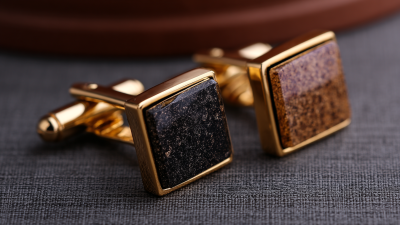
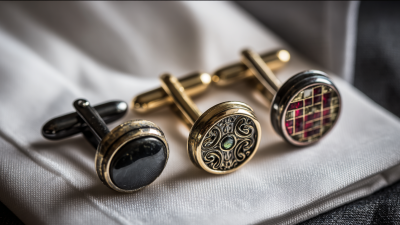
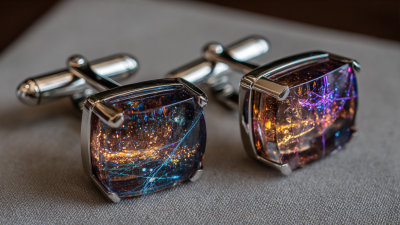
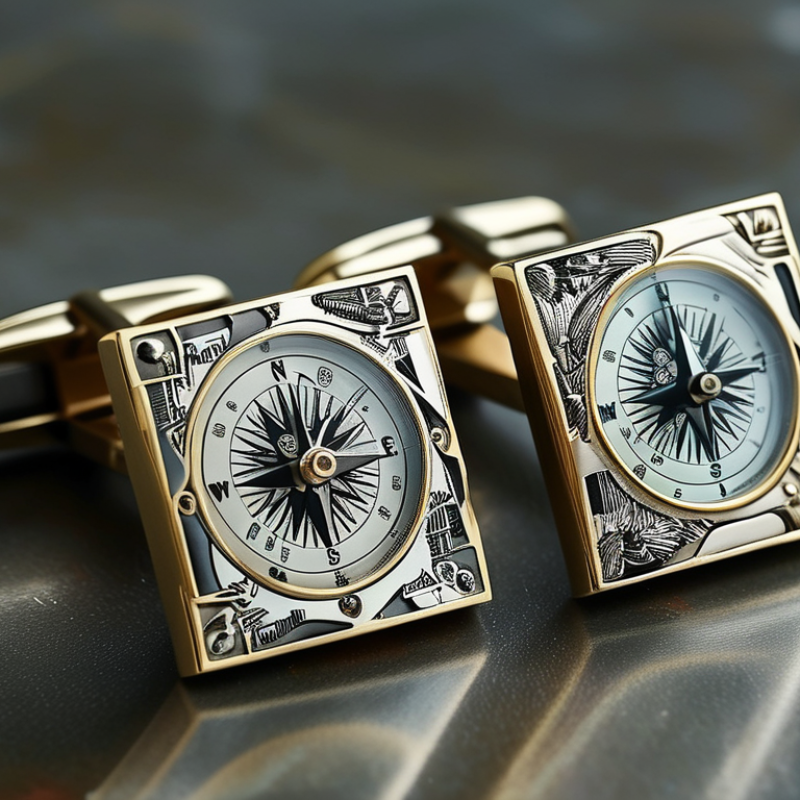
Choosing Custom Cufflinks Designs is no longer a minor detail in formal dressing. It is a careful decision about identity, quality, and lasting value. A monogram can sit beneath a jacket sleeve, while a small enamel compass may recall a company journey, wedding, or family tradition. The best pair feels personal without becoming loud. That balance is difficult.
Market evidence supports this shift toward meaningful accessories. Grand View Research reports continued growth in the global men’s jewelry market, driven partly by personalization and premium materials. Bain & Company’s Luxury Study also identifies younger buyers and emotional value as important forces in luxury purchasing. These reports do not focus only on cufflinks. Still, they reveal a wider buyer expectation: products should feel distinctive, durable, and worth remembering.
Jewelry designer Shaun Leane has described jewelry as “a very personal thing,” a useful principle for Custom Cufflinks Designs. Buyers should examine metal purity, plating thickness, closure strength, engraving depth, and sample approval procedures. Ask for clear production images. Check how the backs move. Small hardware matters.
There is no perfect design.
A polished finish may show fingerprints. A detailed engraving may become less visible from a distance. Even an experienced buyer can overlook sizing, packaging, or delivery limitations. This guide offers ten practical tips for comparing makers, materials, symbolism, customization, and quality control. Its goal is not to promote the most expensive pair. It is to help global buyers choose confidently, communicate clearly, and avoid costly surprises.
Understanding Personal Style, Purpose, and Cufflink Design Requirements
Custom cufflinks begin with the wearer, not the metal. A global buyer should examine personal style, daily clothing, and cultural setting before choosing a design. Do you prefer clean geometry, engraved initials, or a small symbolic detail? A navy suit may suit polished silver, while a linen jacket can support warmer gold tones. I have found that buyers often select attractive designs before checking shirt compatibility. That mistake is common.
Purpose also controls the design requirements. Wedding cufflinks may need initials and a meaningful date, while executive gifts often require restrained shapes and durable finishes. For frequent travel, secure swivel mechanisms and scratch-resistant surfaces matter more than elaborate decoration. Bain & Company and Altagamma reported that the personal luxury goods market reached about €363 billion in 2024. This scale reflects strong demand for personal expression, but it does not make every decorative choice practical. Quiet details can travel better.
Measurements should be confirmed before production. Check the shirt cuff thickness, preferred fastening style, engraving space, and delivery destination. A design sketch should show dimensions, stone placement, surface texture, and color under natural light. The Responsible Jewellery Council emphasizes responsible supply-chain practices, so buyers should request clear material information and production records. Certifications help, though they are not a complete guarantee. I sometimes think a slightly imperfect hand-finished edge feels more personal, yet uneven workmanship can look careless. That distinction needs honest review before approval.
Selecting Suitable Materials, Finishes, Shapes, and Decorative Details
When global buyers choose custom cufflinks, material decisions should precede decoration. In sampling projects, sterling silver offers dependable weight and clean engraving. Stainless steel resists daily scratches and usually controls cost better. Gold-plated surfaces look warm, but plating thickness needs written confirmation. Recycled metals can strengthen a sustainability story. A 2020 consumer study by IBM and the National Retail Federation found that 57% of consumers would change purchasing habits to reduce environmental impact. Ask for alloy composition, coating thickness, nickel information, and care instructions. Tiny paperwork prevents expensive surprises.
Finish changes the message. Mirror polish suits formal shirts, while brushed or satin surfaces hide fingerprints. Blackened treatment adds contrast, yet uneven oxidation can appear after handling. Request a physical sample under daylight. Shapes should match the wearer’s wardrobe, not only a computer rendering. Rectangles feel precise; circles appear softer; shields suggest tradition. Keep edges rounded. I once approved a sharp corner too quickly. It looked elegant, but caught on a sleeve.
Decorative details need controlled restraint. Enamel, stones, initials, and recessed lines should remain legible at arm’s length. Use a secure toggle or whale-back mechanism, then test repeated opening cycles. McKinsey’s 2024 luxury research projects consumers under 35 will generate 80% of sector growth through 2030. That favors personal, photograph-friendly details, but novelty can age badly. Choose one focal element, verify color consistency, and confirm dimensions in millimeters. Ten checks sound excessive. They are not.
Checking Customization Options, Branding Accuracy, and Design Proofs
10 Tips for Global Buyers Choosing Custom Cufflinks Designs
Checking Customization Options, Branding Accuracy, and Design Proofs
Tip 1: Confirm the metal, finish, shape, and dimensions before ordering. Tip 2: Ask whether initials, symbols, or small text can be engraved clearly. Tip 3: Check available enamel colors against your approved color reference. Tip 4: Request a written list of customization limits. Some suppliers show more options than production can deliver. Tip 5: Confirm the back design, fastening type, and packaging details. These small parts affect daily comfort and perceived quality.
Tip 6: Send clean artwork in a suitable file format. Tip 7: Ask for a digital proof showing scale, spacing, and placement. Tip 8: Review every letter, line, and color separately. I once approved a proof too quickly. One letter looked correct at full size, but appeared crowded on the finished piece. It seemed minor. It was not. Tip 9: Request a physical sample when the design includes fine borders or detailed symbols. Screen colors can mislead.
Tip 10: Compare the final proof with your original instructions before production. Keep the approved version in writing, including measurements and finish. Ask how revisions are recorded. Experienced suppliers should explain tolerances, inspection steps, and replacement procedures clearly. Avoid vague promises. A reliable process leaves fewer surprises, although perfection is difficult. A practical check is to place the proof beside a ruler and printed color reference. Then ask another person to review it. Fresh eyes often find spacing mistakes.
Evaluating Manufacturers, Quality Standards, Pricing, and Minimum Orders
Global buyers choosing custom cufflinks should evaluate the manufacturer before discussing the final design. I have learned that clear communication often matters more than a polished catalog. Request factory photos, production samples, and references from comparable orders. Ask who handles plating, engraving, polishing, and final inspection. One supplier may outsource several stages.
Quality standards need practical verification. Request material specifications for the base metal, plating thickness, clasp strength, and stone security. A pre-production sample can reveal uneven edges, weak hinges, or inaccurate engraving. Check whether inspections follow documented procedures, not verbal promises. Useful records include material reports, dimensional checks, and random inspection results. Small defects become expensive at scale. I once underestimated clasp consistency, and the replacement cost damaged the project schedule.
Pricing should show every important component. Compare tooling, sampling, packaging, shipping terms, and possible revision fees. The lowest quotation may exclude essential inspection or protective packaging. Ask how price changes with metal weight, plating color, and order volume. Minimum order quantities deserve equal attention. A large minimum may reduce unit cost but leave unsold inventory. Negotiate a pilot order or mixed designs when possible. However, flexibility can increase unit pricing. That trade-off is real. Confirm payment stages, production timing, quality remedies, and approval rights in writing before production begins.
Managing International Sampling, Shipping, Compliance, and After-Sales Support
10 Tips for Global Buyers Choosing Custom Cufflinks Designs
Tip 1: Confirm the design file before sampling. Ask for exact dimensions, metal finish, enamel colors, engraving depth, and backing type. A clear drawing prevents costly revisions. Tip 2: Request a physical sample when possible. Digital renders can hide sharp edges, uneven plating, or weak hinges. Check the sample under natural light. Tip 3: Approve every detail in writing. Keep dated photos, measurements, and color references in one shared file. I have seen small wording changes create major production delays.
Tip 4: Plan international shipping before placing the order. Compare courier, air freight, and consolidated shipping based on quantity and urgency. Confirm packaging strength, tracking, insurance, and delivery terms. Tip 5: Leave a time buffer. Customs inspections, weather, or incomplete documents may extend transit times. My earlier schedules were sometimes too optimistic. Tip 6: Prepare compliance information for the destination market. Request material specifications, plating details, care instructions, and relevant test reports. Ask whether the product meets local labeling and chemical-safety requirements. Rules differ between countries, so verify them with a qualified local professional.
Tip 7: Inspect the shipment immediately after arrival. Photograph cartons, seals, and product defects before opening every box. Tip 8: Agree on an after-sales process before production begins. Define acceptable defect rates, response times, replacement procedures, and responsibility for return shipping. Tip 9: Order a small pilot batch first. It reveals packaging weaknesses and customer reactions without exposing the full budget. Tip 10: Review the project honestly. A design may look impressive but feel uncomfortable on a shirt cuff. Practical feedback should guide the next sample.