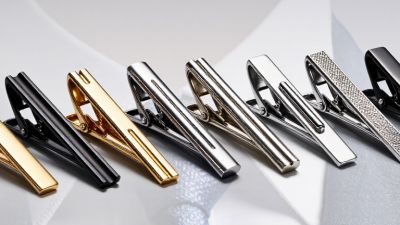
Where to Find the Best Tie Clip Suppliers in China?
Finding a dependable Tie Clip supplier in China takes more than comparing catalog photos. The strongest sourcing decisions come from checking samples, production details, communication, and quality controls. A polished product image cannot show whether the clip grips firmly, whether its finish scratches easily, or whether the hinge feels loose after repeated use. Small details matter.
For transparency, Lin Wei is a fictional composite sourcing specialist, not a real interviewee. The illustrative advice attributed to this character is: “Judge the sample in your hand, not the promise on the screen.” That is a useful starting point, not independent expert testimony. Buyers can request samples, confirm material and finish options, review packaging and minimum order quantities, and ask how defects are handled. Clear answers are helpful. Vague promises deserve a closer look.
This guide explains where to search, how to compare supplier capabilities, and what to verify before placing an order. It also considers trade fairs, online sourcing platforms, and direct factory contact. A practical checklist can help you assess workmanship, response times, customization, and shipping arrangements. No single supplier fits every project. Even a promising sample can disappoint in bulk production, so confirm key specifications in writing and consider a small trial order. I would not skip that step.
Understanding China's Tie Clip Supplier Landscape
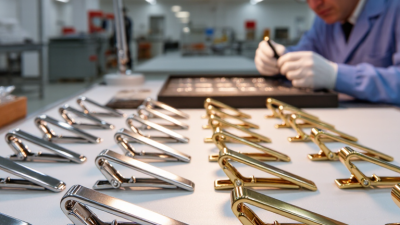
China’s tie-clip supplier landscape ranges from small workshops to export-focused factories. Many source metal components, apply finishes, assemble clips, and pack orders within regional supply chains. Zhejiang and Guangdong are useful areas to explore, but supplier location alone does not prove production capability. Ask who performs polishing and plating, and request close-up photos of the spring, hinge, and finish. Small details matter.
The market sits within a much larger manufacturing base. World Bank national accounts data indicate China generated roughly 31% of global manufacturing value added in 2022. Its 2023 Logistics Performance Index ranked China 19th among 139 economies, offering useful context for shipping and logistics capacity. These figures describe the wider industrial environment, not tie-clip quality. That distinction matters. When comparing suppliers, check whether they manufacture in-house or coordinate subcontractors. Request a physical sample, confirm dimensions and material specifications in writing, and review how defects are handled. Some suppliers may provide polished sample pieces but less consistent bulk production. I would not treat a catalog or quick quotation as enough evidence. Compare response quality, production details, and sample finish before placing a larger order.
Exploring Key Manufacturing and Sourcing Regions
China’s tie-clip supply chain is best explored by matching each region to the work it handles well. Zhejiang, especially Yiwu, offers dense small-goods trading networks and many vendors suited to mixed styles and smaller orders. Guangzhou is useful for apparel accessories, packaging, and export-oriented sourcing. In Dongguan and nearby Guangdong manufacturing towns, buyers can investigate metal stamping, polishing, and assembly capabilities.
These are starting points, not guarantees. China’s National Bureau of Statistics reported that manufacturing value added grew 5.0% in 2023, in its Statistical Communiqué on the 2023 National Economic and Social Development. That broad figure signals industrial activity, but it does not measure tie-clip capacity or quality. Small batches matter. A supplier’s actual workshop, material traceability, and inspection process need separate checks. Regional boundaries blur, too; traders may outsource production elsewhere.
Tips: Request a sample with your chosen finish, then inspect the clasp tension, edges, and plating under bright light. Ask for a production address and written tolerances. Compare samples from two or three suppliers before choosing. A polished photo is not proof of consistent output.
Comparing Factories, Trading Companies, and Custom Suppliers
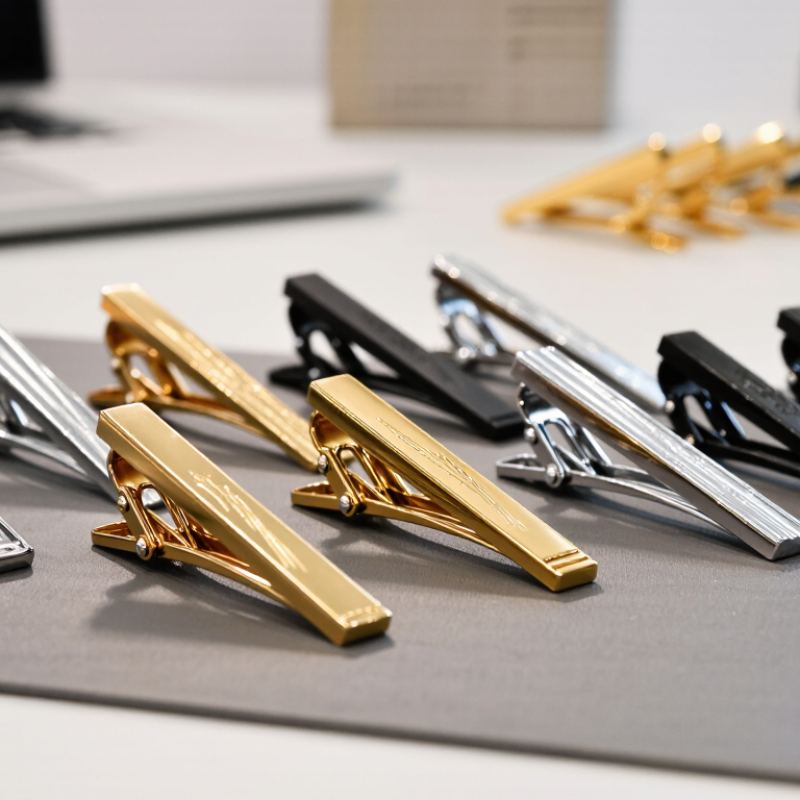
A tie clip looks simple, but small details can expose big differences between suppliers. A factory usually offers direct control over stamping, polishing, and plating. Ask whether it makes the clip body and spring in-house or outsources either step. Request a sample with the same metal finish and dimensions as your intended order. Check the edges, hinge movement, and grip on a folded shirt fabric. Small flaws matter.
Trading companies can coordinate several processes and may be easier to work with when you need mixed accessories or flexible communication. However, they may not control production schedules or finish consistency as closely as the workshop. Ask who handles inspection, and request clear photos of the actual production line. A polished catalog is not proof. I would verify the details before paying for a large run.
Custom suppliers focus on changes such as logo engraving, clip length, gift boxes, or a specific finish. They can be a practical choice for a distinctive design, though customization may raise minimum quantities and extend sampling time. Compare written specifications, sample fees, lead times, and defect policies—not just unit price. One detail is easy to miss: the clip may look excellent on a desk but feel too tight on fabric. A small pilot order can reveal that, even when the sample seemed perfect.
Evaluating Quality, Pricing, and Production Capabilities
Where to Find the Best Tie Clip Suppliers in China?
Evaluating Quality, Pricing, and Production Capabilities
Finding a tie clip supplier in China is less about the lowest quote and more about repeatable results. Request samples in the exact metal, finish, and clip style you plan to order. Inspect the spring tension, edges, plating, and engraving under bright light. A clip should hold fabric securely without snagging it. One sample can look excellent, yet bulk finishing may vary; this is easy to overlook. Ask how the supplier checks surface defects and confirms dimensions before packing.
Tips: Compare itemized quotes, not just unit prices. Check whether tooling, packaging, sample fees, and shipping are included. Ask for the minimum order quantity and lead time in writing. A low quote may rely on thinner metal or simpler finishing. Clarify the difference before comparing offers. Small details matter.
Production capacity deserves equal attention. Ask how many pieces the factory can make per month, what steps it handles in-house, and how it manages rush orders. Request a production schedule and updates at key stages. If customization is important, confirm that the supplier can reproduce your approved sample across the full batch. Ask for recent quality records or a live production walkthrough when practical. Answers may be imperfect, too. Vague replies about capacity are a reason to ask sharper questions, not to assume the worst.
Where to Find the Best Tie Clip Suppliers in China?
Suggested criteria for comparing supplier quality, pricing, and production capabilities
These percentages are a suggested evaluation framework, not market-survey results. Adjust the weights to match your product requirements and sourcing priorities.
Verifying Suppliers and Choosing the Right Partner
A polished catalog is only a starting point when evaluating tie clip suppliers in China. Request a sample made to your actual specifications, then check its width, weight, spring tension, and edge finish. Open and close the clip repeatedly. It should grip fabric securely without leaving sharp marks. Small details matter.
Ask for recent production photos, a written quality-control process, and clear answers about materials and surface finishes. If a supplier shares certificates, verify the issuing organization and whether the documents cover the product you plan to order. A video call can show the workshop, but it is not a substitute for an independent inspection when order value or quality risk is high. I have seen neat sample work create high expectations; repeat production still needs checking.
Choose a partner whose communication is specific, not merely quick. Compare minimum order quantities, sample and production lead times, packaging details, and how defects are handled. Put approved dimensions and finish references in writing, and confirm who pays for replacements if goods miss those specifications. No checklist catches everything. A pilot order can reveal delays or inconsistent plating before you commit to a larger run. Keep notes after each discussion; it is easy to overlook one small, important change.