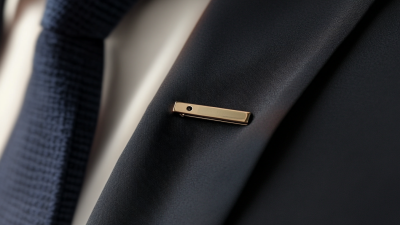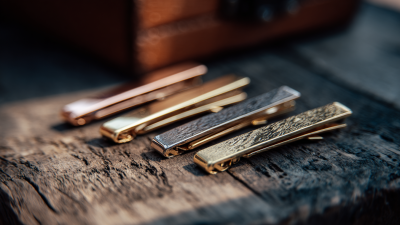
Choosing a China Tie Clip Factory requires more than comparing catalog prices. Wholesale buyers need consistent plating, accurate dimensions, dependable packaging, and clear production communication. A tie clip may be small, but quality failures quickly become visible on a retail counter.
China remains a major sourcing base. The World Trade Organization’s World Trade Statistical Review 2024 reported China’s 2023 merchandise exports at approximately 14.2% of global exports. This scale supports broad supplier networks, metal-processing expertise, and flexible order volumes. However, national export strength does not guarantee factory-level reliability. That distinction matters.
McKinsey’s State of Fashion 2024 highlighted cautious consumer spending and stronger demand for value, quality, and operational resilience. These trends also affect wholesale accessories. Buyers increasingly expect samples that match bulk production, stable finishes, and traceable quality checks. A suitable Tie Clip Factory should explain its alloy options, plating process, mold ownership, inspection stages, and lead-time limits. Ask for evidence, not attractive promises.
Small details count. Check whether the clasp grips a 6-millimeter fabric edge without slipping. Inspect corners under direct light. Compare ten pieces from one sample batch. Differences often appear there.
No factory is perfect. Even experienced suppliers can face plating variation, material shortages, or rushed seasonal orders. A responsible buyer should therefore review tolerance standards, packaging tests, replacement procedures, and payment terms before placing a wholesale order. Public market reports rarely isolate tie clips as a separate category, so practical factory audits remain essential. This article evaluates China-based manufacturers through measurable capabilities, buyer experience, and transparent sourcing evidence.
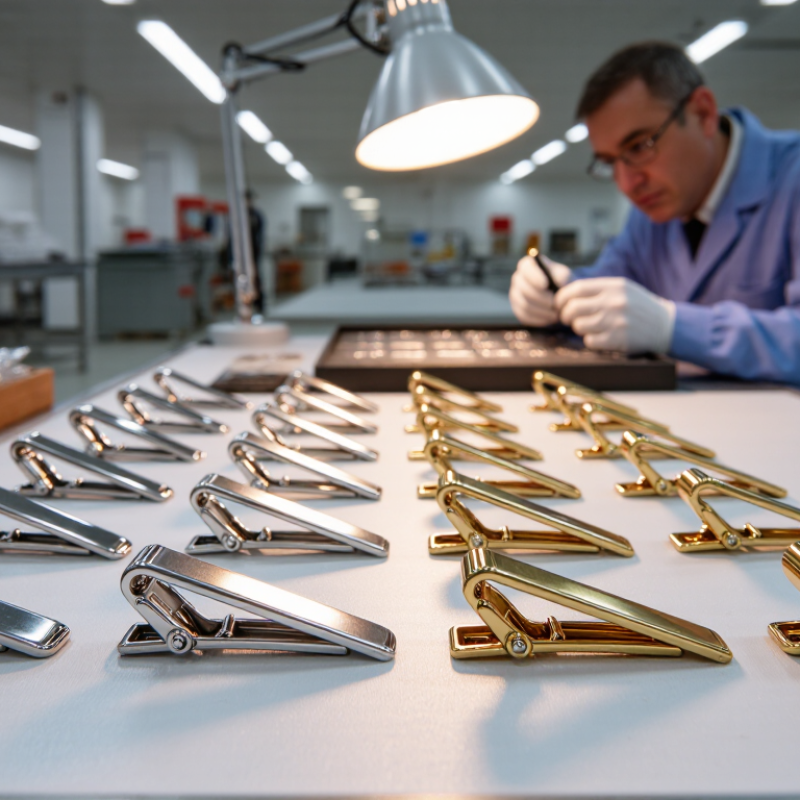
China’s strength in tie clip manufacturing comes from a complete production ecosystem. Metal suppliers, stamping workshops, polishing teams, plating facilities, and packaging factories often operate within the same industrial region. This shortens sourcing time and reduces unnecessary transport between production stages.
The WTO’s World Trade Statistical Review 2023 reported that China supplied 14.4% of global merchandise exports in 2022. That scale supports competitive purchasing for wholesale buyers, even on customized orders. The World Bank’s 2023 Logistics Performance Index ranked China 19th worldwide, with a score of 3.7. Buyers can usually expect organized export processes, detailed packing lists, and regular shipment schedules. Still, factory quality varies.
An experienced buyer should inspect clip tension, hinge movement, plating thickness, and edge finishing. A polished sample may hide inconsistent batches. Requesting production photos and independent inspections adds useful control. Small details matter, especially when clips meet shirt fabric or delicate ties. Many factories can adjust logo placement, metal color, spring strength, and gift-box dimensions. However, customization may increase tooling costs and extend lead times. The data shows China’s manufacturing depth, but reports cannot replace factory-level verification. That part remains imperfect. A reliable supplier earns confidence through repeatable samples, transparent specifications, and honest responses when something goes wrong.
China Top Tie Clip Factory for Wholesale Buyers?
A reliable wholesale tie clip factory should prove quality through consistent samples, clear communication, and stable production records. In practical sourcing work, I inspect the clip’s spring tension, edge finishing, plating uniformity, and attachment strength. A polished catalog proves little. Physical samples reveal much more. Ask whether the sample matches mass production materials and processes.
The factory should explain its metal options, surface treatments, size tolerances, packaging, and inspection procedures. Request recent test reports or material declarations when appropriate. Also check production capacity during busy seasons. A supplier may promise 100,000 pieces monthly, yet struggle with a smaller urgent order. That gap matters. Review factory photos, audit documents, worker safety practices, and export experience. Do not rely on one contact person only. Communication can change after payment.
Tips: Order a paid sample batch before placing a large order. Measure ten pieces, not one. Check scratches under bright light, test the clasp repeatedly, and compare colors beside your packaging. Ask for a written quality standard. Keep it simple and measurable. No factory is perfect, and my own early inspections sometimes focused too much on appearance. Later, I learned that carton strength, batch records, and response speed often predict fewer problems. Leave room for honest corrections. A dependable factory accepts reasonable feedback instead of defending every flaw.
Use a balanced evaluation framework that prioritizes product quality, delivery reliability, compliance, customization capability, and commercial flexibility before placing a wholesale order.
Evaluation framework: Quality and consistency should receive the highest priority, followed by delivery performance, compliance documentation, customization support, MOQ flexibility, and communication responsiveness.
China Top Tie Clip Factory for Wholesale Buyers?
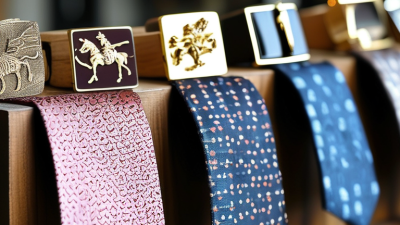
For wholesale buyers, material choice affects cost, durability, and perceived value. Stainless steel resists tarnish and suits daily office wear. Brass offers easier shaping and warmer color, but plating quality matters more. Sterling silver creates a premium feel, although it needs careful packaging and storage. Grand View Research’s 2024 jewelry market analysis highlights personalization and online retail as major growth drivers. That trend also fits tie clips, especially engraved initials, geometric bars, and wedding sets. Popular finishes include polished silver, matte black, brushed gold, and antique bronze. Enamel adds color, but uneven filling can make small designs look cheap.
Tips: Request material specifications, plating thickness, sample approval, and logo-placement drawings. Ask for salt-spray or adhesion testing when ordering plated clips. Check the spring tension by opening each sample repeatedly. Small flaws matter.
Customization can include laser engraving, embossed patterns, enamel colors, gemstone accents, gift boxes, and custom inserts. According to McKinsey’s State of Fashion 2025, shoppers remain value-conscious while still paying for meaningful details. Buyers should therefore compare total value, not only the unit price. A low quotation may exclude molds, proof samples, inspection, or export packaging. In my sourcing experience, suppliers often show excellent prototypes first. Bulk production can still vary slightly in color or alignment. That is why approved samples, written tolerances, and independent inspections deserve attention. Some assumptions remain imperfect, especially when plating shades differ under warehouse lighting.
China Top Tie Clip Factory for Wholesale Buyers?
Wholesale tie clip production usually begins with a clear product brief. Buyers should provide dimensions, metal preferences, plating color, logo artwork, and target quantity. A reliable factory reviews these details before preparing a quotation. The quotation should separate unit cost, tooling fees, packaging, sampling, and shipping. This prevents surprises later. Details matter.
After approval, the factory creates a sample for checking. Buyers should inspect clip tension, edge smoothness, surface color, and logo alignment. One sample may not reveal every issue. Small color differences can appear under different lighting. Keep samples. Written approval then allows production to begin, usually with material inspection and mold preparation. Skilled workers press, polish, plate, assemble, and inspect each batch. Production photos can improve communication, especially for overseas buyers.
Quality control should happen during production, not only before shipment. Inspectors may check random pieces for scratches, loose springs, uneven plating, and incorrect quantities. Packaging also deserves attention. Individual bags, foam protection, and carton labels reduce transit problems. A reasonable factory shares progress updates and confirms the final packing list. Buyers should leave time for rework or shipping delays. That part is often underestimated. Clear records make repeat orders easier, although the first order may require more corrections than expected. A practical agreement should define tolerances, inspection standards, payment stages, and delivery terms before production starts.
| Ordering Stage | Wholesale Buyer Action | Typical Factory Output | Typical Time | Key Wholesale Considerations |
|---|---|---|---|---|
| 1. Product Brief | Provide quantity, material preference, dimensions, finish, packaging, logo requirements, and delivery destination. | A preliminary quotation and production feasibility review. | 1–3 business days | Clear specifications reduce revisions, sampling costs, and production delays. |
| 2. Product Selection | Choose from standard tie clips or request a custom design. | Available drawings, size options, surface finishes, and material recommendations. | 1–5 business days | Common materials include stainless steel, brass, zinc alloy, and plated metal. |
| 3. Quotation | Compare unit pricing, tooling charges, sample fees, packaging, and shipping terms. | A quotation based on quantity, material, finish, customization, and trade terms. | 1–3 business days | Higher order quantities generally reduce tooling and per-unit costs. |
| 4. Sample Approval | Review dimensions, spring tension, logo placement, color, plating, and packaging. | Physical sample or production-ready approval sample. | 7–15 business days | Custom molds, enamel, laser engraving, or special plating may extend the schedule. |
| 5. Purchase Order | Confirm approved artwork, specifications, quantities, packaging, delivery address, and payment terms. | 正式 order confirmation and production schedule. | 1–3 business days | A signed approval should define acceptable tolerances and inspection requirements. |
| 6. Tooling and Production | Pay the agreed deposit and monitor progress when required. | Stamping, casting, machining, polishing, plating, assembly, and logo application. | 15–30 business days | Standard designs are usually faster than first-time custom designs requiring tooling. |
| 7. Quality Inspection | Approve pre-shipment photos or arrange an independent inspection. | Inspection records covering appearance, dimensions, finish, function, and quantity. | 1–3 business days | Check scratches, uneven plating, loose springs, sharp edges, and logo consistency. |
| 8. Packaging | Select individual polybags, paper cards, gift boxes, or retail-ready packaging. | Packed products with carton labels and export packing details. | 2–7 business days | Packaging design, inserts, and printed materials may require separate minimum quantities. |
| 9. Shipment | Choose air, sea, rail, express, or courier delivery and confirm import requirements. | Commercial invoice, packing list, tracking details, and shipping documents. | 3–45 days | Transit time depends on destination, transport mode, customs clearance, and season. |
| 10. Reorder Planning | Track sales velocity, defect rates, inventory levels, and seasonal demand. | A repeat-order schedule using approved specifications and retained tooling. | 2–6 weeks | Repeat orders are often more predictable when the design and packaging remain unchanged. |
China Top Tie Clip Factory for Wholesale Buyers?
Quality control should begin with a physical sample, not a catalog image. Check the clip’s spring tension, edge finish, plating thickness, and logo alignment. A reliable factory should provide material details and batch inspection records. For larger orders, request pre-shipment photos and an independent inspection. Small scratches can become expensive complaints.
Pricing depends on metal type, surface treatment, packaging, tooling, and order quantity. Compare complete quotations, not only the unit price. A very low offer may exclude mold fees, export cartons, or protective film. I have seen buyers save on production but lose money through replacements. That decision looked efficient at first. It was not.
Tips: Confirm the minimum order quantity and production lead time in writing. Ask whether prices include custom packaging and inspection costs. For shipping, clarify the trade term, carton dimensions, gross weight, and destination charges. Sea freight usually suits larger volumes, while air freight helps urgent replenishment. Build in extra days for port delays and rework. A practical buffer is often cheaper than a rushed shipment. Inspect the final cartons before release, especially when clips use delicate plating.