Leave Your Message
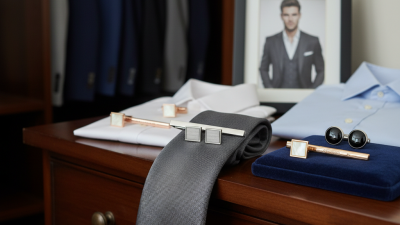
Choosing the best Men's Tie Clip in 2026 involves more than matching metal with a suit. A reliable clip should hold the tie neatly without crushing its fabric. It should also sit between the third and fourth shirt buttons. That small detail changes the entire look.
This guide examines practical features, current styles, and everyday comfort. Stainless steel offers strength and simple maintenance. Brushed finishes hide fingerprints better than mirror-polished surfaces. For formal events, silver, gunmetal, and restrained gold tones remain versatile. A textured clip can add personality, but excessive decoration may compete with the tie. The clip’s spring should feel firm, not painfully tight. Test it on both thin silk and thicker wool ties. That experience reveals more than a product photograph.
Think about proportion. A clip that spans nearly the entire tie can look awkward. One that is too short may fail to secure the narrow end. Tie width, shirt fabric, and jacket style all matter. So does personal comfort. Some clips look excellent but slide during movement. That is a real weakness.
Material quality and responsible manufacturing deserve attention in 2026. Look for clear product specifications, secure packaging, and transparent care guidance. Customer reviews can help, although they are not always consistent. I would not claim one design suits everyone. Even a carefully chosen Men's Tie Clip may feel too formal on a relaxed outfit. The best choice balances function, proportion, durability, and your own habits. Small details matter.

How to Choose the Best Mens Tie Clip in 2026?
A tie clip does more than decorate a shirt. It connects your tie to the placket, keeping both layers aligned during movement. This matters in 2026, when many men move between offices, video calls, dinners, and public transport. A loose tie can swing into coffee, food, or a laptop keyboard. A well-positioned clip creates a cleaner appearance and reduces those small daily annoyances.
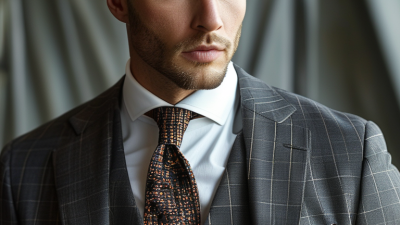
From practical wear, placement makes the biggest difference. Attach the clip between the third and fourth shirt buttons. Keep it horizontal, not tilted. Its length should cover about half to two-thirds of the tie’s width. A spring-loaded design usually holds securely without crushing the fabric. Still, excessive pressure may leave marks on silk or finely woven materials. I once chose a clip that looked sharp but felt heavy. It pulled the tie downward. That choice was attractive, but not useful.
Tips: Match the clip’s finish with your other metal accessories. Test its grip before a long event. Check the hinge for smooth movement. Avoid oversized clips on narrow ties. A simple clip often looks more professional than a decorative one. For frequent travel, choose a lightweight style with rounded edges. Your tie should stay controlled, not stiff. Small details matter.
| Selection Dimension | Recommended Standard | Why It Matters | Best Use Case | 2026 Buying Check |
|---|---|---|---|---|
| Width | Choose a clip about 60–75% of the tie's width. | A proportional clip secures the tie without extending too far beyond its edges. | Most standard-width neckties. | Measure the tie you wear most often before choosing the clip length. |
| Placement | Position it horizontally between the third and fourth shirt buttons. | This area usually keeps the tie controlled while leaving the knot and lower tie balanced. | Business, formal, and smart-casual outfits. | Check that the clip remains level when you sit, walk, and move your arms. |
| Attachment | Clip through the front tie, back blade, and shirt placket. | Attaching only to the tie can cause shifting and does not anchor the tie to the shirt. | Daily wear and commuting. | Look for a spring or clasp that opens smoothly and holds all three layers securely. |
| Construction Type | Use a spring-loaded clip for stronger everyday retention; use a slide bar for a slimmer appearance. | Different mechanisms balance grip, convenience, and visual minimalism. | Spring-loaded: active days. Slide bar: lighter fabrics and streamlined outfits. | Test the mechanism on the actual thickness of your shirt and tie. |
| Material | Stainless steel or plated base metal with a smooth, even finish. | Durable metal resists bending, while a smooth finish reduces snagging and fabric abrasion. | Frequent wear and travel. | Check the clasp, edges, and underside for rough spots, peeling, or exposed discoloration. |
| Finish | Match the finish with other visible metal accessories. | Consistent metal tones create a more coordinated appearance. | Formal wardrobes and professional settings. | Consider finishes that are easy to maintain and less reflective for video meetings. |
| Tie Fabric | Use a lighter, slimmer clip for silk; choose a stronger spring for wool, knit, or textured ties. | Thicker fabrics need more clearance and holding force, while delicate fabrics need gentle contact. | Silk, wool, knitted, and blended ties. | Confirm that the clip does not crush the fabric or leave visible marks after removal. |
| Bar Profile | Prefer a straight horizontal bar for classic outfits; choose a subtle design for contemporary styling. | The bar is a visible accessory and can either support or distract from the overall look. | Classic suits, office wear, and modern tailoring. | Prioritize a clean silhouette that works with both formal and business-casual clothing. |
| Grip Strength | Firm enough to prevent movement, but not so tight that it dents the tie or shirt. | Excess pressure may damage delicate fabrics; weak pressure allows the tie to swing or twist. | Long workdays, conferences, and travel. | Perform a gentle pull test after attaching it to all required layers. |
| Chain or Bar Style | Use a plain bar for understated control; reserve chains and decorative details for relaxed settings. | Decorative elements change the formality and visual weight of the accessory. | Plain bar: formal wear. Decorative style: social and creative settings. | Choose an accessory that matches the dress code rather than competing with the tie pattern. |
| Fabric Safety | Choose rounded edges, a clean underside, and a smooth hinge area. | Sharp edges and rough mechanisms can pull threads, especially on silk and fine knits. | Delicate or premium-feel neckwear. | Inspect the clip under bright light before first use and after repeated wear. |
| Maintenance | Wipe with a soft, dry cloth and store separately from damp clothing. | Removing oils and moisture helps preserve the finish and reduces tarnish or surface residue. | All metal finishes. | A compact storage pouch is useful for travel and prevents scratches against other accessories. |
| Versatility | Select a neutral shape and finish that works with at least three ties and two shirt colors. | A versatile clip provides more value than a highly specialized design. | Capsule wardrobes and frequent business travel. | Evaluate it with navy, gray, white, and light-blue combinations before purchasing. |
| Final Fit Test | The tie should stay centered, the clip should remain horizontal, and the fabric should lie flat. | These are practical signs that the clip is correctly sized and properly attached. | Everyday use and formal occasions. | Check the fit while standing and seated, because fabric tension changes with posture. |