10 Best Tie Clips for Global Buyers in 2026?
Choosing the right Tie Clip in 2026 requires more than comparing shiny finishes. Global buyers need dependable quality, practical design, and consistent supplier performance. A clip may look elegant online, yet feel weak in the hand. Small details matter.
Menswear authority Alan Flusser offers a useful principle: “Accessories should support the outfit, not compete with it.” That idea guides this review. The best Tie Clip should secure the tie without damaging its fabric. It should also match business suits, formalwear, or refined everyday clothing. Stainless steel, brass, sterling silver, and plated alloys each create different expectations. Finishing quality matters.
So does grip strength.
This guide examines ten leading options for international buyers. We consider material, spring tension, clip length, surface durability, styling, packaging, and value. We also look at wholesale suitability and product consistency. Those concerns often decide whether a purchase succeeds beyond the first sample.
No ranking is perfect. Personal taste changes everything. A minimalist buyer may prefer a narrow silver bar. Another buyer may choose a textured design with stronger visual presence. Some products also perform differently after repeated use, which online photographs rarely reveal. That is an uncomfortable limitation.
Our evaluation therefore combines visible design with practical inspection. Each selected Tie Clip must offer a credible balance between appearance, reliability, and price. Buyers should still request samples before placing large orders. Even excellent descriptions can hide weak hinges, uneven plating, or loose packaging. Careful judgment remains essential.

What Makes a Tie Clip a Smart Choice for Global Buyers in 2026?
A smart tie clip does more than hold fabric in place.
It should keep a tie centered during meetings, travel, and long working days. In product inspections, I look for a firm spring, smooth edges, and balanced pressure. A clip that grips too tightly can leave marks after several hours. That detail is easy to miss.
Global buyers also need practical material choices.
Stainless steel resists daily moisture better than many untreated alloys. A polished surface feels professional, while a brushed finish hides small scratches. Buyers should check coating descriptions, metal composition, and available test documents. These records support safer, more reliable purchasing decisions across different markets. Packaging matters too. A small protective sleeve can prevent scratches during international shipping.
Style still influences value.
Slim clips suit narrow ties, while wider designs work better with heavier fabrics. Adjustable chains may add security, but they can catch on clothing. I have found that simple mechanisms often survive repeated use better. Not always, though. Some attractive clips lose tension within months, especially when opened too far. Supplier samples, clear measurements, and batch inspections reduce that risk. Buyers should also confirm color consistency, return terms, and delivery capacity before placing larger orders. A smart choice is not necessarily the cheapest one; it is the clip that performs reliably for its intended customer.
How to Evaluate Tie Clip Materials, Design, Size, and Holding Power
Choosing among the 10 Best Tie Clips for Global Buyers in 2026 requires more than visual appeal. Material comes first. World Stainless Association statistics report 58.4 million tonnes of stainless steel production in 2023, showing its broad industrial use and supply depth. For daily wear, stainless steel offers useful resistance to sweat, bending, and surface wear. Titanium is lighter, but usually costs more and can feel less substantial.
Design should match the shirt, not overpower it. A 45–55 millimeter clip suits many standard ties. Narrow clips may look refined, yet they can miss thicker wool or knitted fabrics. Check the hinge carefully. It should close evenly, without scraping the tie. Smooth edges matter.
Holding power needs a practical test. Place the clip on two fabric layers and pull gently with a small spring scale. Repeat the test ten times. Record slippage, not only the highest force. A strong spring can still damage delicate silk.
ISO 9227 provides a recognized salt-spray testing method for corrosion assessment, although laboratory exposure does not perfectly copy humid travel conditions. That limitation matters. Product descriptions often promise “long-lasting” performance without test duration, coating thickness, or cycle details. Ask for those figures. A clip that survives one polished photo may fail after repeated opening.
Ten Standout Tie Clips for Different Styles, Budgets, and Occasions
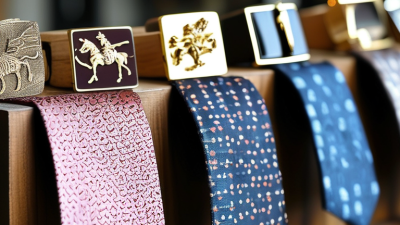
The best tie clip depends on your wardrobe, not only your budget. These ten styles cover different tastes, occasions, and price points. A slim polished-steel clip suits daily office wear and travels well. A brushed finish looks quieter and hides small scratches. A matte-black clip works with modern suits, though it can appear severe with pale shirts. A warm gold-tone clip adds ceremony to weddings and formal dinners. A textured clip gives plain shirts more character. A narrow clip fits skinny ties, while a wider bar balances heavier fabrics. A minimalist bar suits clean, professional outfits. A decorative geometric design helps express personality without becoming loud. A recycled-metal option may appeal to practical, sustainability-minded buyers. A handmade clip offers detail, but its finish can vary slightly.
Tips: Match the clip to your tie width. Place it between the third and fourth shirt buttons. Test the spring before purchase. Avoid excessive pressure on delicate silk.
For global buyers, check measurements in millimeters and inches. Confirm the metal composition, plating method, and care instructions. These details affect comfort, color stability, and long-term value. I prefer clips with rounded edges because they catch less fabric during movement. A strong hinge is useful, but an overly tight grip can leave marks. Shipping photos may look brighter than the actual finish. That is easy to overlook. Read recent customer feedback, especially comments about size and tarnishing. Some clips look elegant online but feel surprisingly light in hand. That is not always poor quality, yet it deserves thought before ordering.
10 Best Tie Clips for Global Buyers in 2026
Comparison of ten generic tie-clip profiles across different styles, budgets, and occasions. Scores use a 100-point editorial benchmark based on versatility, occasion suitability, ease of matching, durability potential, and value—not brand or sales data.
How to read the chart: Higher scores indicate a stronger overall fit for the profile’s intended use. Minimal silver and matte black designs score well for versatility, while novelty and luxury-oriented styles are more occasion-specific.
How to Match a Tie Clip With Your Tie, Shirt, and Personal Style
A tie clip should connect your outfit, not compete with it. For a navy tie, choose a silver-toned clip for a clean office look. A dark metal clip creates stronger contrast with pale blue shirts. With striped ties, keep the clip plain. Patterns already provide enough movement. The ideal clip usually spans about half to two-thirds of the tie’s width. It should hold both the tie and shirt placket securely, without crushing the fabric.
McKinsey’s State of Fashion 2025 describes a value-conscious market with modest growth expectations. That makes practical design important for global buyers. Look for spring tension, smooth edges, and corrosion-resistant materials. A clip used daily should survive repeated fastening and removal. The OECD’s Due Diligence Guidance also supports checking supplier claims and material transparency. Ask for metal composition, plating details, and packaging information. Small details matter.
Personal style changes the choice. Minimalists may prefer a narrow, unbranded bar. Traditional dressers can select a wider clip with restrained texture. A creative wardrobe may accept geometric shapes, but balance them with a solid shirt. For formal events, place the clip between the third and fourth shirt buttons. For casual tailoring, a slightly lower position can look relaxed. I once favored oversized clips because they felt more visible. They often pulled the tie downward. That was not elegant. Test the clip while standing, sitting, and walking. A mirror reveals problems that a product photo cannot.
What to Check Before Buying: Pricing, Shipping, Quality, and Returns
10 Best Tie Clips for Global Buyers in 2026?
Price should reflect construction, not just appearance. Compare the unit price, packaging, and minimum order quantity. A low-cost clip may hide weak springs or uneven plating. I inspect the hinge, clasp tension, edge smoothness, and metal finish. Stainless steel usually handles daily wear better than thin plated alloys. Still, material labels can be vague. Request product photos, dimensions, weight, and a physical sample before ordering. Baymard Research reports an average online cart abandonment rate above 70%. Unexpected shipping fees remain a common reason for leaving checkout.
Shipping needs equal attention. Ask whether delivery is tracked, insured, and priced by destination. DHL’s 2024 eCommerce Trends Report found that many global shoppers buy internationally, but delivery flexibility strongly affects purchase decisions. Confirm customs responsibilities and estimated arrival dates in writing. A tie clip is small, yet poor packaging can cause scratches or bent clasps. I once underestimated packaging quality. The product arrived usable, but several pieces needed polishing.
Tips: Compare the landed cost, not the listed price. Check return eligibility for defective items, buyer-paid postage, and refund timing. Photograph the package when it arrives. Keep invoices and inspection notes. A clear return window builds trust, especially for international orders. Baymard’s findings also show that unclear policies can damage conversion. Do not accept vague promises. Ask for measurable standards, such as clasp movement, plating thickness, and defect tolerance. A supplier’s answer may still be incomplete, so test a small batch before committing.