Leave Your Message

Title*

First Name*

Last Name*

Phone*

country*

Message*

Customized Request

Why Are Gold Cufflinks a Popular Choice for Buyers?

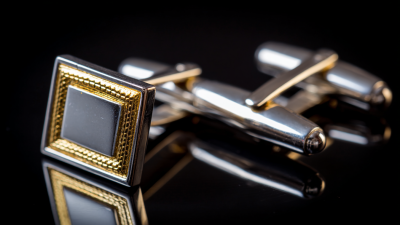
Gold Cufflinks remain popular because they add warmth and polish without demanding attention. Their appeal is easy to picture: a soft glint at the wrist, a crisp white cuff, and a suit that feels considered. They suit weddings, business settings, and meaningful gifts. Yet gold is not automatically the right choice for every wearer. Skin tone, shirt fabric, and personal style all matter.

Fashion designer Coco Chanel is often credited with the advice, “Before you leave the house, look in the mirror and take one thing off.” It is a useful reminder when choosing Gold Cufflinks. A restrained pair can complement a watch or tie bar; an oversized design may compete with them. The metal’s shade also changes the effect. Yellow gold feels traditional, while white gold can look quieter and more contemporary.

Buyers often value durability, versatility, and the sense of occasion these accessories bring. Solid gold and gold-plated designs, however, are not the same, and their care needs differ. Check the material description, fastening, and finish before buying. Small details count. A secure closure matters after hours of wear. So does a design that feels comfortable against the wrist.

There is no single perfect pair. Some buyers prefer engraved initials; others choose plain, polished faces. The best choice reflects how often the cufflinks will be worn, not only how they look in a display case. A little honest hesitation helps: if a pair feels too showy, it may stay in the box.
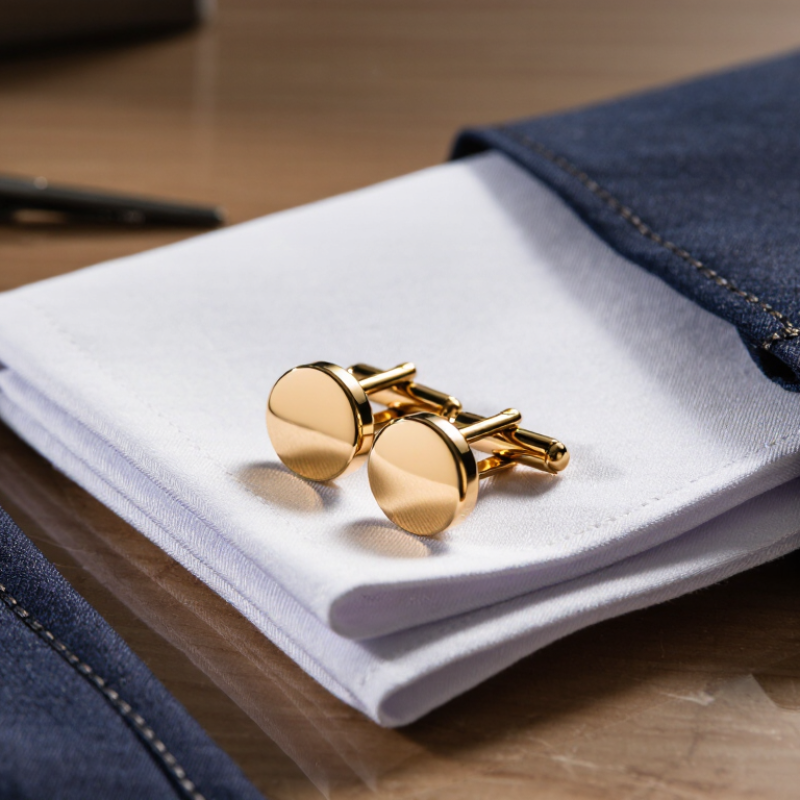
Why Are Gold Cufflinks a Popular Choice for Buyers?

What Gold Cufflinks Are and How They Are Made

Gold cufflinks are paired fasteners worn through a shirt’s cuff holes. Their warm color comes from gold, often mixed with metals such as copper or silver to make the piece harder. The karat mark describes the proportion of gold in an alloy, not its color or overall durability. Some cufflinks are solid gold; others have a gold layer over a different metal. These constructions can look similar at first, so clear material details matter.

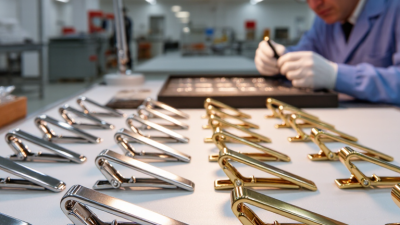
Making begins with a design and a choice of metal. A maker may cast the main shape in a mold, or cut and shape it from metal stock. The pieces are then joined to a backing and a moving bar, chain, or hinge. Polishing smooths the surface and brings out its shine. Small differences in a handmade pair can occur. That is not always a flaw, but loose joints, rough edges, or uneven finishes deserve attention. Gold’s softness can also make thin parts easier to bend, depending on the alloy and design.

Tips: Check the stated gold content and fastening mechanism. Ask how to care for the finish, especially if the cufflinks are plated. A little restraint helps: bright polish is appealing, but it can show fine scratches over time.


Why Gold Appeals to Cufflink Buyers

Gold appeals to cufflink buyers because it brings warmth and a clear focal point to a small accessory. Against a white shirt cuff, its color catches light without needing a large design. A brushed surface feels quieter; polished gold looks more formal. Buyers can also choose different karat levels, balancing color, durability, and price. These details matter because cufflinks are often noticed at close range.

There is broader evidence of sustained interest in gold jewelry. The World Gold Council’s Gold Demand Trends: Full Year 2024 report recorded 1,877 tonnes of jewelry demand worldwide. That figure measures jewelry overall, not cufflinks specifically, so it should not be treated as proof of cufflink sales. Still, it shows gold remains a meaningful material choice even as high prices affect purchasing.

Practicality matters, too: cufflinks are worn less often than rings or chains, but small parts can still scratch or loosen. Gold is appealing, not effortless. Buyers should consider the wearer’s usual wardrobe, preferred finish, and willingness to care for the piece. A simple pair may suit more occasions, though personal taste is rarely that tidy.

How Gold Cufflinks Suit Different Styles and Occasions

Gold cufflinks suit more than traditional formalwear. Their warm tone adds a quiet highlight to a white or pale blue shirt, while a simple round or square shape keeps the look restrained. With a dark suit, polished gold can feel crisp and classic. Brushed finishes usually appear softer and work well with textured jackets or less formal outfits. Small details matter: a slim cufflink often sits neatly beneath a jacket sleeve, while an oversized design can catch too much attention.

For weddings, evening events, and important dinners, gold cufflinks bring a considered finish without changing the whole outfit. A plain design is easy to pair with a tie or watch, but matching every metal exactly can look overly planned. At work, choose a modest shape and a muted finish; it feels professional without looking showy. Still, gold may feel too formal with casual shirts. That is worth considering. Comfort matters too, so check that the fastening moves easily and the cufflink does not pull the fabric.

Tips: Match the cufflinks to the shirt’s cuff style before buying. Try them with your actual jacket, not just under bright shop lighting. A subtle design is often the more versatile choice.

The Role of Gold Cufflinks in Gifts and Milestones

Gold cufflinks make a meaningful gift because they can mark a moment without feeling tied to one season. They suit graduations, weddings, promotions, and milestone birthdays. A pair may be worn with a crisp white shirt years later, bringing back the memory of who gave it. That personal link matters. So does practicality: classic shapes can work with several formal shirts, while engraved initials or a date make the gift more specific. Still, cufflinks may not suit someone who rarely wears French-cuff shirts. It is worth checking their habits before choosing.

Tips: Confirm the shirt has French cuffs, and ask about gold purity and care. A small box and a handwritten note can make the presentation feel personal.

For a wedding or anniversary, gold can signal lasting affection, but the gift need not be elaborate. A simple pair with a brushed finish may feel more wearable than a highly polished design. Consider the recipient’s usual jewelry: warm yellow gold may complement pieces they already wear, while a discreet shape can suit a quieter style. If buying remotely, check the return terms and the dimensions carefully. Photos can make cufflinks look larger than they are. The right pair is not automatically the most expensive one; comfort, fit, and a genuine connection to the occasion often count more.

What Buyers Consider When Choosing Gold Cufflinks

When buyers choose gold cufflinks, appearance is only part of the decision. The metal’s karat rating affects color, price, and everyday durability. Higher-karat gold has a richer tone, but it can be softer than lower-karat alloys. For frequent wear, that trade-off matters. Ask whether a pair is solid gold or gold-plated, and check its stated purity. Clear documentation is more useful than a confident sales description.

Fit deserves equal attention. A cufflink should pass through the shirt cuff without forcing the fabric, then sit securely when fastened. Try the mechanism several times. A hinged bar, swivel backing, or chain connection can feel quite different in use. Small details count. Check for sharp edges, loose joints, and a weight that feels comfortable after several hours. Very ornate designs may look striking in a display case yet feel out of place with a simple shirt.

Buyers also weigh style against versatility. A polished yellow-gold pair suits formal clothing, while brushed finishes can feel quieter and show fewer fingerprints. Match the cufflinks to the wearer’s usual metals and wardrobe, not only to one special outfit. I would not treat resale value as guaranteed; condition, purity, and demand all affect it. Store the pair separately in a soft pouch, since gold can still pick up scratches. A little restraint may serve better than choosing the flashiest option.