Top 10 Types of Stone Cufflinks for Men
Stone Cufflinks bring color, texture, and a quiet focal point to formalwear. Unlike plain metal, each stone has its own pattern, depth, and feel. That difference can make a white shirt look considered without adding a loud accessory. The best choice depends on more than appearance. Color, cut, setting, weight, and occasion all matter. Some stones look crisp against a pale shirt; others suit darker fabrics better.
This guide explores ten popular types, from polished onyx and deep-blue lapis lazuli to striped tiger’s eye and vivid malachite. Each offers a distinct look, but names alone do not guarantee quality. Check how securely the stone sits, whether its surface has an even finish, and whether the metal setting feels comfortable against your wrist. Natural stones can vary in color and veining, even within the same pair. That variation is part of their appeal, though it may surprise buyers expecting a perfectly matched finish. Small details matter.
Consider how often you will wear the cufflinks, and whether their color works with shirts and suits you already own. A dramatic stone may be striking at a celebration but less versatile at the office. Product descriptions and clear photographs can help, yet they cannot fully show a stone’s weight or subtle reflections. Choose with care, not just by trend. A thoughtful pair should feel personal, practical, and well made.
Understanding Stone Cufflinks and Their Materials
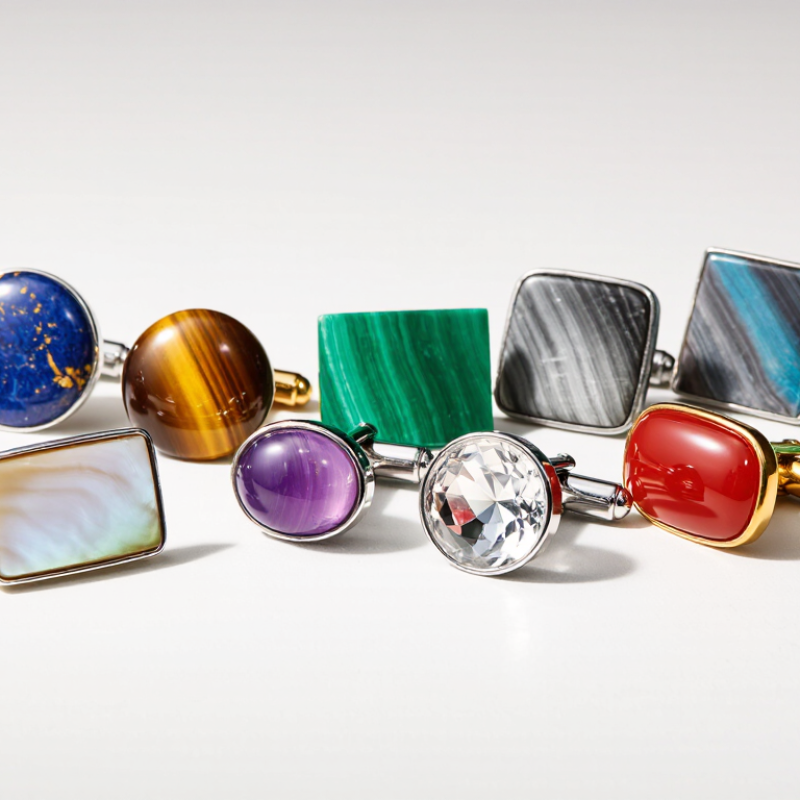
Stone cufflinks combine a polished mineral with a small metal setting. The stone’s color, pattern, and surface can change the whole look of a shirt. Onyx is often chosen for its deep black finish, while lapis lazuli brings blue tones and natural flecks. Tiger’s eye has golden bands that shift in the light. Agate and jade offer other colors and patterns, though each piece can vary.
Materials behave differently. A hard stone may resist everyday scuffs better, but hardness does not prevent chips from a sharp impact. Some stones have natural veins or small inclusions; these are not automatically flaws. Mother-of-pearl is not a stone, but it appears in similar designs and has a softer, iridescent surface. Small details matter. Check that the setting holds the stone firmly and has smooth edges that will not catch on shirt fabric.
The metal setting affects weight, finish, and comfort as much as the stone does. Stainless steel and sterling silver are common choices; people with metal sensitivities should check the alloy details. Clean stone faces with a soft, slightly damp cloth, then dry them fully. Avoid harsh cleaners unless the material’s care guidance specifically permits them. Not every pair matches. Natural variation can make a set feel distinctive, but an unusually uniform finish may indicate a treated or manufactured material, so ask the seller how it was made.
How Stone Cufflinks Are Classified
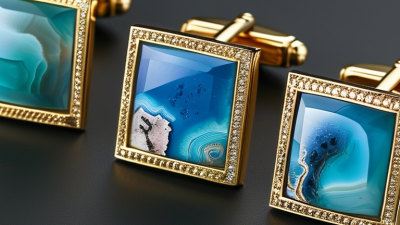
Stone cufflinks can be classified by material, pattern, cut, and setting, rather than by color alone. Onyx usually gives a smooth, dark face; lapis lazuli may show blue tones with small mineral flecks. Agate is often recognized by layered bands, while tiger’s eye reflects light in shifting brown-gold stripes. These differences affect how a pair looks against a shirt cuff.
Shape is another useful category. Round, oval, and square faces are common, but a cabochon cut keeps the stone’s surface gently domed. Flat cuts can make geometric patterns appear sharper. Settings matter too: a bezel surrounds the stone’s edge, while prongs leave more of its outline visible. For regular wear, secure settings and smooth edges are practical details, not merely style choices.
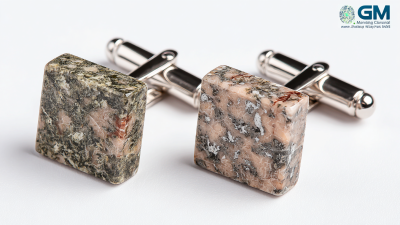
Cufflinks can also be sorted by finish and visual character: polished, matte, veined, banded, or flecked. Some details blur. Dark agate can resemble onyx at a glance, and lighting may change a stone’s apparent color. Material labels are not always consistent, so checking a clear product description helps. The categories are useful, but no single system captures every pair.
Ten Popular Types of Stone Cufflinks for Men
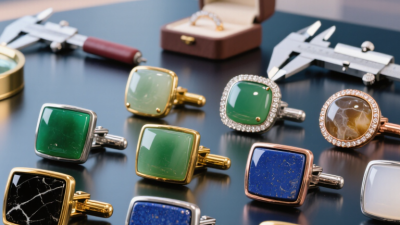
Ten popular types of stone cufflinks for men include onyx, lapis lazuli, tiger’s eye, malachite, turquoise, jade, agate, jasper, hematite, and quartz. Each changes the look of a shirt cuff. Onyx offers a smooth, deep-black face for formal wear. Lapis lazuli brings vivid blue and sometimes gold-colored flecks. Tiger’s eye has warm, shifting bands that catch light as the wrist moves. Malachite’s green stripes are striking, though they can feel bold beside patterned shirts. Turquoise adds a brighter accent. Jade, agate, jasper, hematite, and quartz span softer greens, layered earth tones, metallic gray, and clear or milky finishes. Small details matter.
For everyday use, inspect the stone’s edges and setting. A polished face should sit securely, without sharp corners that snag fabric. Hardness and durability vary; quartz is generally harder than jade, while softer stones may scratch more easily. Keep them away from abrasive surfaces, and wipe them with a soft cloth. Avoid assuming every stone tolerates water or cleaning products. The World Gold Council’s Gold Demand Trends: Full Year 2024 reported global gold jewellery consumption of about 1,877 tonnes, down 11% year over year. That measures jewellery demand, not cufflink sales, but it offers context for the metal settings often paired with stones. A minor chip can change the whole impression. Inspect closely.
Choosing and Caring for Stone Cufflinks
Choosing stone cufflinks is about more than matching a shirt. Onyx offers a quiet, polished look, while tiger’s eye adds warm, shifting bands. Lapis lazuli brings deeper blue, though its surface may need gentler handling. Check that each stone sits securely in its setting. Turn the cufflink over, too. A comfortable backing matters during a long day. I used to focus only on color; that overlooked how often a pair would be worn.
Stone hardness and finishes vary, so care should stay simple. Wipe cufflinks with a soft, dry cloth after wearing. Remove them before washing your hands or applying fragrance. Avoid soaking, abrasive cleaners, and sudden knocks against hard surfaces. Some stones may be porous, treated, or more delicate than they appear. If you are unsure, follow the seller’s care guidance rather than testing a cleaner. Even careful storage cannot prevent every scratch.
Tips: Store each pair separately in a lined box. Check the setting occasionally for looseness. Keep them away from keys and coins. Small habits help. A little extra care may feel fussy, but replacing a chipped stone is more disappointing.