Leave Your Message
Buying Stone Cufflinks wholesale can look simple: choose a color, compare prices, place an order. The real work is in the details. A polished black stone may appear uniform under showroom lights, yet show chips or uneven edges in daylight. Small differences matter. Buyers should check stone identity, finish, setting strength, pair matching, and sample consistency before approving a larger run.
The opportunity sits within a much broader jewelry market. Grand View Research estimated the global jewelry market at USD 366.7 billion in 2023 and projected a 4.7% compound annual growth rate from 2024 to 2030. That figure covers jewelry overall, not cufflinks alone, so it should not be treated as a direct demand forecast for Stone Cufflinks. Still, it signals a large, competitive category where product quality and clear sourcing can help wholesale buyers stand out. One caution: I could not verify a published quotation from a specialist specifically focused on Stone Cufflinks, so I will not invent an expert quote. Instead, this guide draws on practical gem and product checks, alongside the market context, to help buyers compare suppliers with care. Ask for close-up photos. Request a physical sample. Confirm dimensions and stone variation in writing. Then review the seven buying tips with a sharper eye. No sample, no certainty. Grand View Research, “Jewelry Market Size, Share & Trends Analysis Report,” 2024.

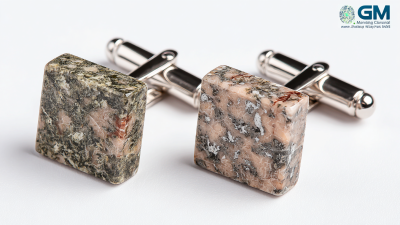
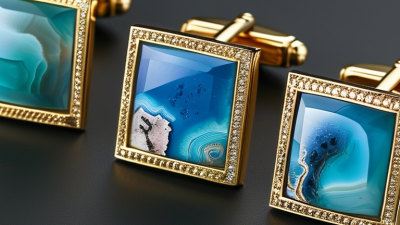
Stone cufflinks combine a metal setting with a natural or manufactured stone face. Each stone may differ in color, veining, and pattern. Onyx often appears dark and even, while jasper can show bands or speckles. These differences add character. They can also surprise buyers.
For wholesale purchasing, request clear details about stone type, setting metal, dimensions, and finish. Ask how the supplier handles natural variation across a batch. A photo may hide details. Request a sample when possible, and inspect it under ordinary indoor light. Check whether the stone sits evenly, the edges feel smooth, and the fastening mechanism closes securely. Small flaws matter when many pairs are ordered.
Before confirming quantities, compare the sample with the written specifications. Clarify minimum order amounts, production timing, packaging, and how damaged pieces are handled. A consistent batch does not mean every stone will look identical; that expectation may be unrealistic. Still, noticeable differences between the sample and delivered stock deserve attention. Keep notes and photos during inspection. It is easy to overlook a detail when the order seems straightforward.
| Tip | What to Check | Wholesale Purchasing Action | Practical Planning Note |
|---|---|---|---|
| 1. Identify the stone accurately | Confirm the stone name and whether it is natural, treated, reconstructed, or imitation. Appearance alone may not reliably identify a material. | Request a written material description and ask whether treatments or composite materials are disclosed in the product details. | Use the same material description on purchase orders, product listings, and packaging to reduce misunderstandings. |
| 2. Check stone consistency | Natural stones can vary in color, pattern, and veining. Check for chips, cracks, uneven polish, and noticeable differences between matching pieces. | Ask for photographs of several finished pairs and clarify acceptable variation before approving a bulk order. | If exact visual matching matters, specify a tighter color and pattern tolerance in writing. |
| 3. Inspect the setting and backing | Review the metal finish, stone setting, moving parts, and closure. The backing should move smoothly and hold securely without sharp edges. | Request a sample pair and test the mechanism, finish, and stone security before committing to a larger quantity. | Check that the sample matches the material, dimensions, and finish specified for the production order. |
| 4. Compare total landed cost | The unit price may not include shipping, duties, taxes, packaging, inspection, or payment fees. | Compare written quotations using the same order quantity, specifications, delivery terms, and currency. | Calculate an estimated landed cost per pair before setting a retail price or placing the order. |
| 5. Confirm minimums and quantity breaks | Minimum order quantities and price breaks differ by supplier, stone, design, and production process. | Ask for the minimum order, prices at several quantity levels, and whether colors or designs can be mixed within an order. | Choose an order size based on expected demand and storage capacity rather than unit price alone. |
| 6. Agree on quality and delivery terms | Production lead time, inspection procedures, defect handling, and shipping responsibilities should be clear before payment. | Record product specifications, delivery dates, acceptable defect criteria, and remedies for damaged or nonconforming goods. | Allow time for sampling, production, transit, and possible inspection when planning a launch or seasonal order. |
| 7. Protect the products in storage and transit | Stone can chip or scratch, and polished metal can be marked by contact with other items. Packaging quality affects condition on arrival. | Ask how each pair is protected and consider individual compartments or soft pouches for shipping and storage. | Inspect cartons promptly on receipt and document any visible damage before accepting or distributing the goods. |