What Is a Cufflink Set Used For?
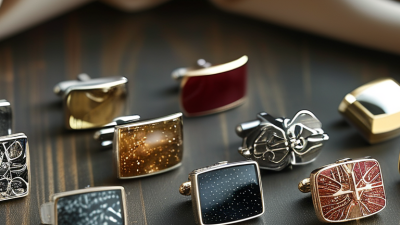
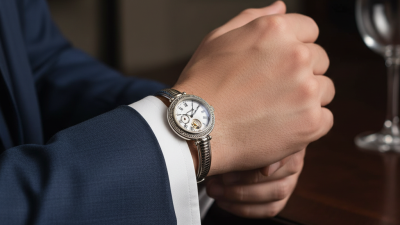
A Cufflink Set does more than keep shirt cuffs closed. It replaces ordinary buttons with a small, visible detail that can make formal clothing feel considered. Picture a crisp French-cuff shirt, a dark jacket, and polished silver links catching the light at the wrist. The function is simple. The styling choices are not always.
Menswear author Alan Flusser offers a useful perspective on dressing: accessories should support the overall look, not overpower it. This is a paraphrase of his broader approach, not a verified direct quotation. That distinction matters when style advice is presented as expert guidance. In practice, cufflinks work best when their metal, color, and scale relate naturally to a shirt, watch, or jacket. A restrained pair can suit a business meeting; a more personal design may feel right at a wedding or celebration. Context counts.
The term “set” can also mean more than one pair of links. Some sets include matching studs for a formal shirt, while others come with a presentation box or coordinated accessories. Check what is included before buying. Small details matter.
This guide explains what a Cufflink Set is used for, how its pieces fit together, and when cufflinks are appropriate. It also considers fit, fastening styles, and care. Cufflinks cannot rescue an ill-fitting shirt. They can, however, give a well-chosen outfit a neat finishing touch.
What a Cufflink Set Contains
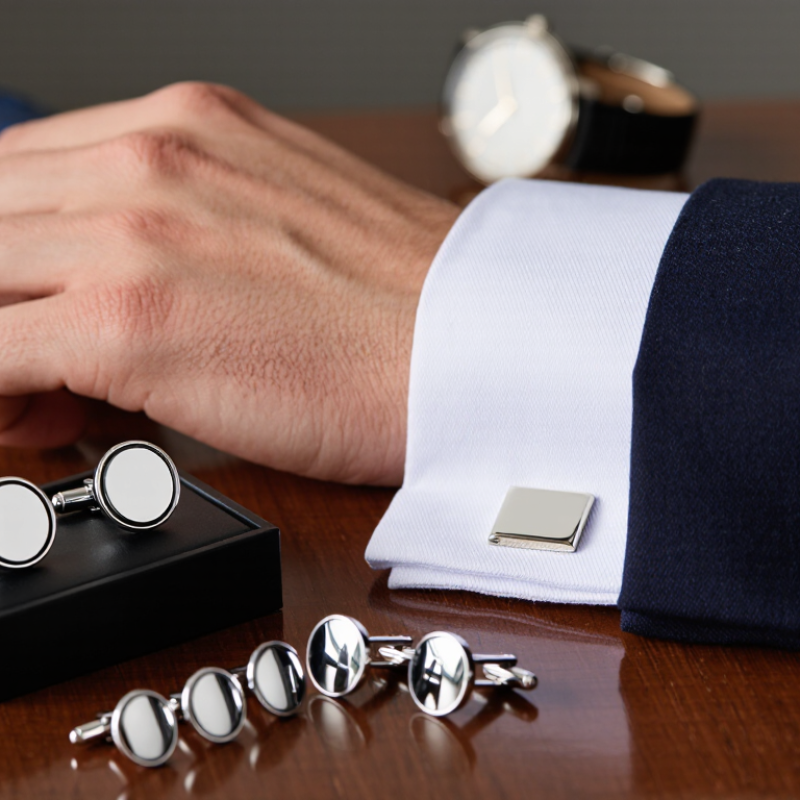
A cufflink set is a coordinated group of accessories for finishing a French-cuff shirt. The cufflinks themselves are the essential pieces: each pair joins the shirt’s folded cuffs through their buttonholes. Sets may also include matching shirt studs, which fasten the front of some formal shirts. That distinction matters.
The contents vary by set. A simple one may contain only cufflinks and a small storage box. A larger set might add shirt studs, a tie bar, or spare cufflink backs. The tie bar is a separate accessory, not part of fastening the cuffs. A lined case helps prevent metal pieces from rubbing against each other, though the compartments can be surprisingly snug. Check what is included rather than relying on the word “set” alone.
Tips: Match the pieces to your shirt before dressing. Check the fit. Shirt studs need compatible front openings, and cufflink bars should pass through the cuff comfortably. If a set includes extras you rarely wear, the cufflinks and a secure case may matter more than the item count.
How Cufflinks Fasten Shirt Cuffs
A cufflink set secures shirt cuffs that have buttonholes on both sides but no sewn-on buttons. It is most often used with French cuffs, which fold back to create a thicker, more formal cuff. Unlike a regular button, a cufflink passes through the aligned holes and holds the fabric together.
To fasten one, fold the cuff back and bring its buttonholes into line. Push the cufflink’s post through the holes, then secure its backing. On a toggle cufflink, turn the small bar sideways after threading it through; this keeps the link from slipping out. Other styles may use a fixed backing, chain, or fabric knot. The method varies a little by design. Tiny parts matter.
The cuff should sit neatly without pulling at the wrist. If the holes resist, check that the cuff layers are aligned rather than forcing the post through. I used to think a tighter fit looked sharper; it can actually wrinkle the sleeve and feel uncomfortable. Fit matters, too. A cufflink set may include matching pairs and spare pieces, but check that each link suits the shirt’s cuff openings before dressing.
Which Shirts Are Designed for Cufflinks
What Is a Cufflink Set Used For?
Which Shirts Are Designed for Cufflinks
Cufflinks are made to fasten shirts with button-free cuff openings. The most familiar option is a French cuff, also called a double cuff. Its long fabric folds back on itself, creating two pairs of aligned holes. A cufflink passes through them and holds the layers together. The folded edge usually sits just beyond a jacket sleeve.
Some shirts have convertible cuffs. These include both buttons and cufflink holes, so you can choose either fastening. Check the cuff before getting dressed: standard barrel cuffs usually have buttons and no opposing holes. Not every shirt qualifies. That detail matters. A cufflink cannot properly fasten a cuff that lacks matching openings, and forcing one through fabric may damage it. French cuffs can feel formal, though the shirt’s fabric and cut also shape the overall impression.
Tips: Line up the cuff holes before inserting the cufflink, then fasten it without pulling the fabric tight. If you are unsure, inspect the inside and outside of the cuff in good light. A small detail is easy to miss. Sometimes I still check twice.
When Cufflinks Are Worn
Cufflinks are worn when a shirt has French cuffs, also called double cuffs, with buttonholes but no attached buttons. They fasten the folded fabric neatly at the wrist. You’ll most often see them at weddings, black-tie events, formal dinners, and some business occasions. The dress code matters more than the calendar: a daytime ceremony may be relaxed, while an evening invitation may call for a sharper finish. Check the shirt before dressing. Cufflinks cannot fasten an ordinary button cuff.
Weddings are a common setting. The Knot’s 2024 Real Weddings Study reported an average U.S. wedding guest count of 115, giving a sense of how many people dress for such events. The study does not measure cufflink use, so that figure is context, not proof that guests wear them. In practice, match the formality of the room, not just the suit. A simple metal pair works with a crisp white cuff; colored stones can feel too loud in a conservative office. Small detail. And yes, cufflinks can feel fussy at first. I’d check that they sit comfortably before leaving, because a stiff cuff can distract all evening.
How to Choose and Care for a Cufflink Set
What Is a Cufflink Set Used For?
How to Choose and Care for a Cufflink Set
A cufflink set secures the folded cuffs of a French-cuff shirt while adding a considered detail to formal clothing. Choose a pair that suits both the shirt and the occasion. Check that the cuff openings align and that the links pass through without forcing the fabric. Fit matters.
For regular office wear, simple metal designs are easy to coordinate; for weddings or evening events, a little color or texture can feel more personal. Still, an elaborate pair may compete with patterned clothing, so restraint often works better.
Check the fastening before buying. A hinged toggle should turn smoothly and sit flat, while a fixed-back style needs enough room to pass through the cuff. If possible, try the links with the shirt you plan to wear; cuff thickness can change how secure they feel. After wearing them, wipe away skin oils with a soft, dry cloth. Store each link separately in a lined case to prevent scratches, and keep it away from moisture and harsh cleaners.
Small habits help. Inspect the backs occasionally, especially if a pair feels loose. It is easy to forget this step, but a missing cufflink can spoil an otherwise carefully put-together outfit.