Choosing China’s top Initial Cufflinks suppliers requires more than comparing online catalogs. Buyers should examine manufacturing experience, material options, engraving quality, and export reliability. A supplier may offer polished product photos, yet the actual finish can differ. Samples matter.
This guide explores practical ways to evaluate factories and trading companies producing Initial Cufflinks. It considers stainless steel, brass, sterling silver, enamel, plating, and custom packaging. Small details often reveal production standards. Check whether letters remain sharp after polishing. Inspect clasp alignment, surface smoothness, and color consistency under natural light. Ask about nickel release testing, material certificates, and quality inspection records. These documents support safer, more dependable purchasing decisions.
Communication also deserves careful attention. Reliable suppliers explain minimum order quantities, sample fees, production schedules, and acceptable design files clearly. They should confirm whether laser engraving or traditional stamping suits your design. A physical sample can expose problems that drawings miss. Sometimes, revisions take longer than expected. That is worth admitting.
Pricing alone cannot identify the best partner. A lower quotation may exclude packaging, inspection, or replacement support. Buyers should compare complete costs and request written specifications. Factory visits, video inspections, and independent pre-shipment checks can strengthen confidence. This article highlights promising supplier-selection criteria while recognizing that “top” depends on your market, order volume, branding goals, and service expectations. No supplier is perfect. Careful verification remains essential.
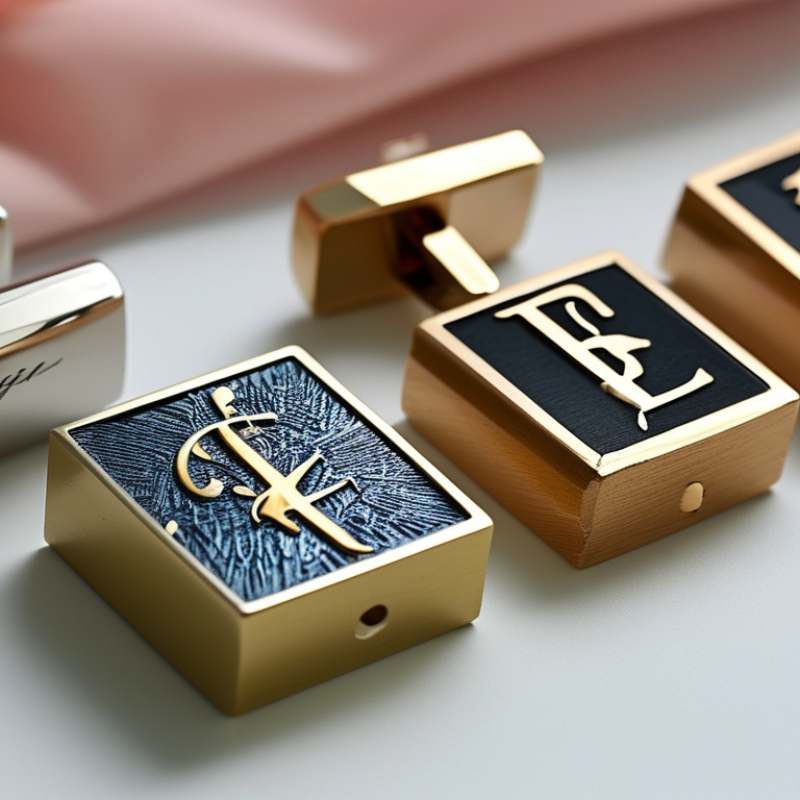
Initial cufflinks turn a formal shirt into a personal statement. They usually feature engraved initials, monograms, or simple letter motifs. Wearers choose them for weddings, interviews, anniversaries, and corporate ceremonies. Small details matter.
McKinsey & Company’s 2021 “Next in Personalization” report found that 71% of consumers expect personalized interactions. It also reported that 76% feel frustrated when personalization is absent.
These findings support the appeal of initial cufflinks, although the report covers retail broadly, not cufflinks alone. Grand View Research valued the global jewelry market at approximately USD 353.26 billion in 2023. Cufflinks remain a niche accessory within that larger category.
When assessing China-based initial cufflinks suppliers, buyers should inspect engraving depth, letter alignment, clasp tension, and metal composition. A polished sample can hide production inconsistencies. Request several samples, not one.
Suppliers should provide clear material specifications, plating details, packaging measurements, and quality inspection records. For frequent wear, stainless steel or sterling silver may offer better durability than inexpensive plated alloys.
However, preferences differ. A wedding buyer may value presentation more than daily resilience. I have found that overly decorative initials can reduce readability on small faces. Simple lettering often performs better.
Yet, “better” depends on the wearer, shirt style, and occasion.
Supplier comparisons should include minimum order quantities, sample lead times, engraving accuracy, and replacement procedures. These practical checks reveal more than catalog photographs.
Evaluating Chinese initial cufflink suppliers requires more than comparing catalog prices. The real test is whether a supplier can repeat quality across small, personalized batches. Ask for factory photos, business registration details, production capacity, and recent export references. Do not rely on polished websites alone. Ask for evidence. Request a physical sample before approving bulk production. Inspect the hinge movement, engraving alignment, edge finishing, and gift-box strength. Initial letters should look centered and consistent, not shallow or uneven.
Material claims need documentation. Stainless steel, brass, and silver-plated designs require different care and testing. Ask for material specifications, plating details, and available quality reports. Check whether the supplier can control nickel release and skin-contact safety under your target market’s rules. A confident supplier should explain its inspection process clearly. If answers remain vague, treat that as a warning.
Production controls matter as much as product design. Clarify minimum order quantities, sample fees, engraving methods, packaging options, and realistic lead times. Confirm how damaged pieces are replaced and who approves the final sample. Written inspection standards reduce disputes. Communication also reveals reliability. Time-zone delays happen. Repeatedly unclear replies are different. I would not pretend every supplier with a low quote is risky, but unexplained cost gaps deserve careful review. Even experienced buyers miss small details, especially on customized orders. Use a sample approval sheet with photographs, measurements, and engraving artwork before production starts.
| Evaluation Dimension | What to Evaluate | Practical Reference or Target | Evidence to Request | Suggested Weight |
|---|---|---|---|---|
| Product Materials | Base metal, plating, stone or enamel quality, and material consistency. | Material specifications should be stated clearly; plating thickness, finish, and restricted-substance requirements should match the purchase specification. | Material declaration, plating specification, product drawings, and an independent laboratory test report when required. | 15% |
| Manufacturing Capability | Ability to handle casting, stamping, polishing, plating, enamel work, engraving, assembly, and final inspection. | The supplier should demonstrate the complete process required for the design or provide transparent control of approved subcontractors. | Factory audit, process flow chart, equipment list, sample inspection records, and production photographs or video. | 15% |
| Customization and Sampling | Support for custom shapes, logos, finishes, packaging, engraving, and prototype revisions. | A written approval process should cover artwork, dimensions, color references, sample revisions, and ownership of tooling. | Sample quotation, production timeline, tooling terms, approved pre-production sample, and written artwork approval. | 12% |
| Quality Management | Incoming-material control, in-process checks, finished-goods inspection, and defect handling. | Quality acceptance criteria should be agreed before production, including appearance, function, dimensions, plating, and packaging. | Quality manual, inspection checklist, corrective-action records, inspection report, and approved defect limits. | 15% |
| Compliance and Product Safety | Compliance with destination-market requirements for chemicals, metals, packaging, and labeling. | Requirements depend on the destination market; commonly reviewed areas include lead, cadmium, nickel release, and general restricted substances. | Recent third-party test reports, compliance declarations, raw-material records, and traceability information. | 15% |
| Minimum Order Quantity | Minimum order by design, finish, color, packaging format, and repeat-order condition. | The MOQ should fit the launch quantity and should distinguish between stock designs and fully customized products. | Formal quotation showing MOQ by variant, setup fees, sample quantity, and small-order surcharge if applicable. | 8% |
| Cost Transparency | Unit price, tooling, sampling, packaging, inspection, freight, taxes, and payment terms. | Quotes should be comparable on the same material, finish, quantity, packaging, trade term, and delivery scope. | Itemized quotation, payment schedule, validity period, trade terms, and written change-order policy. | 8% |
| Lead Time and Capacity | Sample lead time, bulk production time, capacity during peak periods, and ability to meet shipping dates. | The supplier should provide milestone dates from artwork approval through inspection and dispatch rather than only a single delivery estimate. | Production schedule, capacity statement, order-progress updates, previous delivery records, and contingency plan. | 7% |
| Communication and Documentation | Response quality, technical understanding, English documentation, and escalation process. | A reliable supplier should answer specification questions directly and keep a consistent record of approvals and revisions. | Completed technical questionnaire, product specification sheet, meeting notes, and named customer-service contact. | 5% |
| Total Evaluation Weight | 100% | |||
Note: Reference targets are evaluation guidelines, not company-specific performance data. All compliance documents should be checked for the relevant destination market and current product specification.
China’s initial cufflink industry includes several manufacturer types, each suited to different purchasing needs. Factory-direct OEM manufacturers produce brass, stainless steel, or silver cufflinks at competitive volume pricing. They usually provide CAD drawings, laser engraving, plating samples, and pre-production approvals. This route works well for wholesalers needing consistent initials across large orders. Quality depends on documented tolerances, not attractive photographs.
ODM manufacturers offer existing molds with adjustable letter shapes, finishes, and packaging. They shorten development time, but customization may remain limited around hinge construction or letter placement. Specialized metal jewelry workshops handle smaller batches and more detailed hand polishing. Their strengths include raised initials, enamel color matching, and textured surfaces that feel distinctive in the hand. Capacity can fluctuate during busy seasons. That matters for repeat orders.
Trading companies coordinate multiple factories and can combine cufflinks, tie clips, boxes, and inspection services. They help buyers without local sourcing experience, although their technical control may be indirect. Integrated exporters often manage sampling, plating tests, final inspection, and shipping documents under one workflow. Ask for material certificates, salt-spray results, hinge-cycle tests, and clear defect standards before payment. A sample may look perfect. It can still conceal weak springs or uneven engraving. I would request a second sample after corrections, because the first approval is rarely the whole story.
China’s top cufflink suppliers usually handle customization through drawings, samples, and controlled production files. Buyers should confirm dimensions, engraving depth, logo placement, and preferred plating before approving a sample. A clear approval sheet reduces costly misunderstandings.
Details matter. Common materials include brass, stainless steel, sterling silver, and enamel. Each offers different weight, durability, color stability, and cost. Stainless steel suits daily wear, while sterling silver needs careful anti-tarnish packaging. Suppliers should provide material specifications and, when required, composition test reports. Samples can mislead. A polished prototype may look excellent, while bulk plating shows uneven edges or color variation.
Reliable quality control should cover incoming materials, machining, polishing, assembly, and final inspection. Ask for measurable checks, such as clasp strength, surface scratches, plating thickness, and random sampling records. Factory visits or independent inspections can reveal details that photographs hide. Certification also requires careful review. ISO 9001 can indicate a quality management system, but it does not automatically guarantee every cufflink is flawless. Request current certificates, testing scope, issuing organizations, and product-specific reports for markets requiring chemical or material compliance. Keep records of approved samples, inspection limits, and corrective actions. No supplier gets everything perfect. Their response to defects often reveals more than their sales presentation.
Sourcing initial cufflink suppliers in China requires more than comparing the lowest quotation. I usually begin with a clear product brief. It should include metal type, dimensions, initial style, finish, backing mechanism, packaging, and target quantity. A simple drawing helps prevent costly misunderstandings. Supplier experience matters, but practical evidence matters more.
Request samples from at least three factories. Compare engraving depth, edge sharpness, color consistency, hinge movement, and surface marks under bright light. Ask for material specifications and plating information. Independent testing can verify composition and durability when the order is important. Review factory photos, production records, quality procedures, and export experience. Do not rely on polished catalog images alone.
Use a comparison sheet. Record unit price, sample fee, mold charges, minimum order quantity, production time, inspection options, and shipping terms. Ask how defects are handled before placing an order. Clear answers usually reveal operational discipline. My first supplier comparison focused too heavily on price. It missed packaging damage and slow sample revisions. That mistake changed my process. I now test communication speed and ask for a revised sample before making a final decision. Still, no checklist removes every risk. Supplier claims should match physical samples, written specifications, and documented inspections. Loose details become expensive later.
Anonymous supplier comparison using practical sourcing benchmarks for initial cufflink projects.
The comparison focuses on measurable purchasing factors: minimum order quantity, sample lead time, bulk production lead time, and customization readiness. Lower MOQ and shorter lead times can support small test orders, while strong customization capability is useful for personalized initial cufflink collections. Confirm all figures directly with suppliers before placing an order.