How to Start a Cufflink Wholesale Business Successfully?
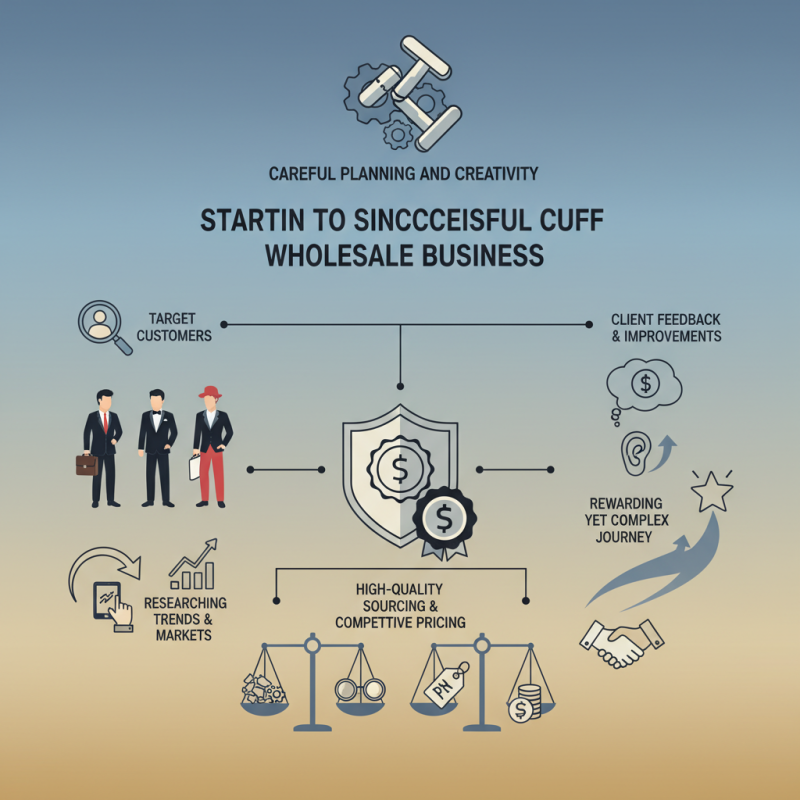
Starting a Cufflink Wholesale business requires careful planning and creativity. This segment of the fashion industry has unique opportunities. Entrepreneurs can tap into a niche market that values elegance and quality.
Understanding your target customers is crucial. Who buys cufflinks? Office workers, grooms, and fashion enthusiasts often seek stylish options. Researching current trends can help you choose what designs to offer. Exploring local and online markets is essential.
However, the journey is not without challenges. Sourcing high-quality materials is vital for success but can be difficult. Pricing your products competitively while ensuring a profit margin requires thoughtful strategies. Reflecting on feedback from clients will also guide improvements. Starting a Cufflink Wholesale business is rewarding yet complex.
Understanding the Cufflink Market and Identifying Your Niche
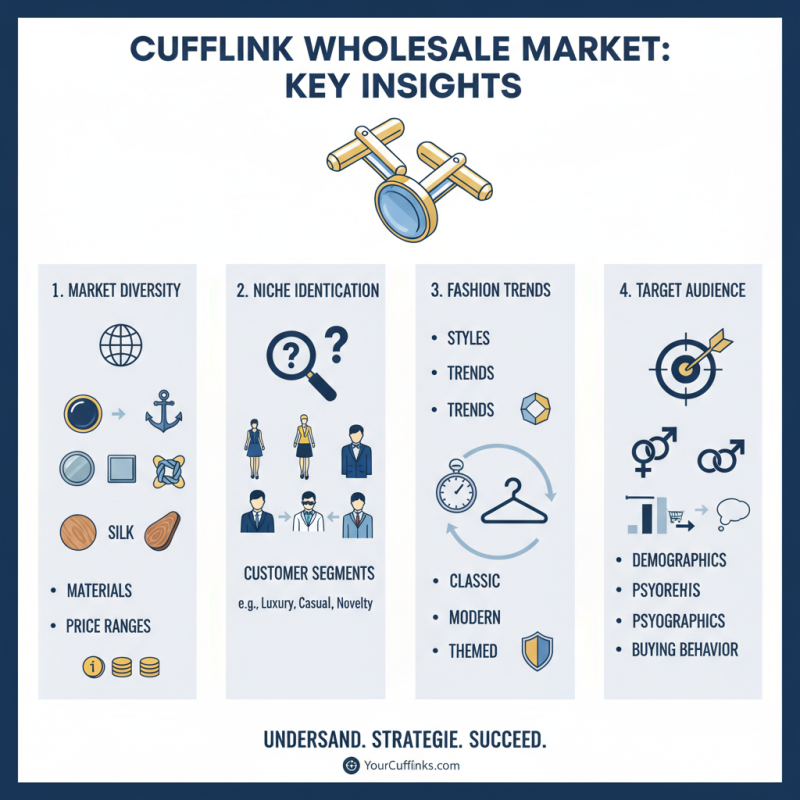
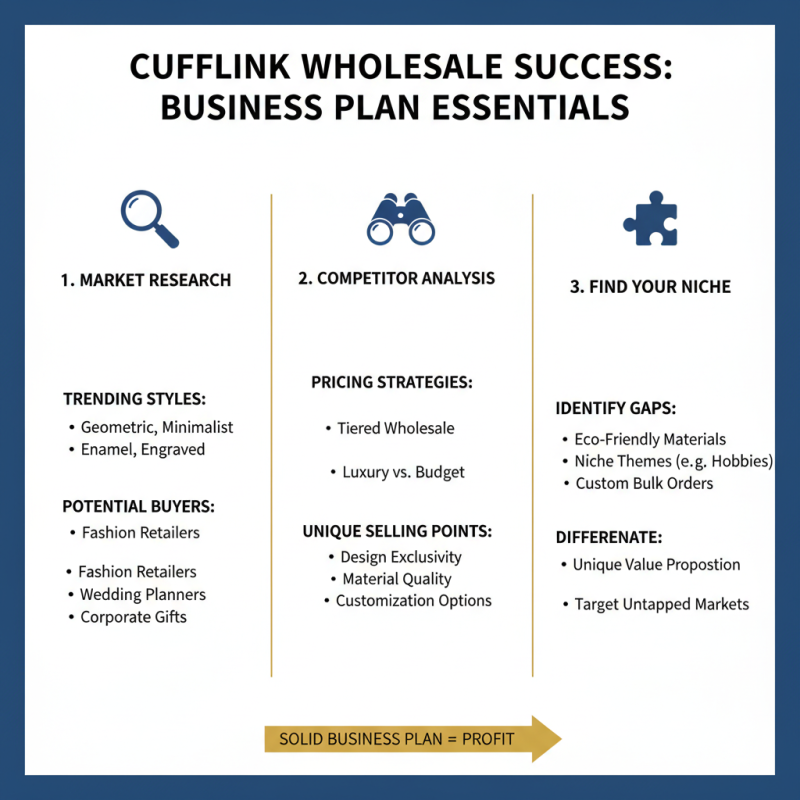
Understanding the cufflink market is vital for anyone looking to start a cufflink wholesale business. The market is filled with various styles, materials, and price ranges. Identifying the niche you want to target can make a significant difference. Focus on different fashion trends and determine which customers are most likely to buy your product.
Tips: Research competitor offerings. Take note of their design choices and pricing strategies. Use this information to find gaps in the market. Appeal to specialized groups, like wedding planners or corporate clients. They often seek unique cufflinks in bulk.
Explore material options too. Stainless steel, silver, and novelty designs are popular. Each material attracts a different audience. Reflect on your preferences and how they align with current trends. Experimenting with combinations could lead to innovative designs.
Tips: Create prototypes and gather feedback from potential customers. This step can be daunting but is essential for growth. You might discover that your first design is not what most customers prefer. Iterate your designs based on constructive criticism. Your willingness to adapt will lead to better products.
Sourcing Quality Cufflinks and Establishing Supplier Relationships
Sourcing quality cufflinks is crucial for any successful wholesale business. Start by researching materials and design trends. Industry reports reveal that the cufflink market is expected to grow by 5.2% annually over the next five years. This growth creates opportunities but also competition. Careful selection of suppliers can set you apart.
Building strong relationships with suppliers requires clear communication and trust. Visit trade shows or industry expos to meet manufacturers. Face-to-face interaction fosters deeper connections. According to a 2022 survey, 68% of successful wholesalers prioritize personal relationships with their suppliers. This indicates the value of trust in securing quality and timely deliveries.
However, it's essential to evaluate supplier performance regularly. Not all partnerships will be fruitful. Some suppliers may not meet your quality standards or timelines. Reflect on these setbacks to adapt your approach. Diversifying your supplier base can also mitigate risks. Aim for a balance between cost, quality, and reliability to ensure sustainable growth in your cufflink wholesale business.
Marketing Strategies to Promote Your Cufflink Wholesale Business
Marketing a cufflink wholesale business can be challenging yet rewarding. Online presence is crucial. Start by creating a user-friendly website. Showcase your cufflink designs clearly. High-quality images attract potential buyers. Use an engaging layout. This helps visitors easily navigate your offerings.
Social media platforms are key in promoting your business. Use Instagram or Pinterest to post appealing images of your cufflinks. Engage with your audience through comments and direct messages. Collaborate with influencers for broader reach. Monitor your engagement levels. This will guide your future content strategies.
Email marketing is another effective tool. Build a mailing list with interested clients. Send newsletters featuring new designs and promotions. Track open and click rates to refine your approach. Noticing less engagement? Rethink your email content. Ensure it resonates with your audience. Stay adaptable and responsive to your customers' needs.
How to Start a Cufflink Wholesale Business Successfully? - Marketing Strategies to Promote Your Cufflink Wholesale Business
| Strategy |
Description |
Expected Outcome |
| Online Marketplaces |
Sell cufflinks through platforms like Amazon, eBay, and Etsy. |
Increased sales reach and visibility. |
| Social Media Marketing |
Utilize Instagram and Pinterest to showcase products with engaging visuals. |
Boosted brand awareness and customer engagement. |
| Email Marketing |
Send newsletters and promotional offers to your customer database. |
Higher customer retention and repeat purchases. |
| Content Marketing |
Create blogs or videos about cufflink styles and care tips. |
Establish authority in the market and attract organic traffic. |
| Trade Shows |
Participate in industry events to network and showcase products. |
Direct feedback from customers and potential bulk buyers. |
Managing Inventory and Fulfillment for Optimal Customer Satisfaction
Effective inventory management is crucial for a cufflink wholesale business. Accurate tracking of stock levels helps prevent overstocking or shortages. A simple spreadsheet can be a start, but using inventory management software is beneficial. It provides real-time data and alerts for low stock. This allows timely restocking, which enhances customer satisfaction.
Fulfillment is another vital aspect. It’s not just about shipping products quickly; it’s about the entire process. Packing should be efficient yet thoughtful. Consider using eco-friendly materials. Customers appreciate brands that care for the environment. A well-organized fulfillment process can lead to fewer errors. Mistakes in orders can harm customer trust.
However, managing these aspects isn’t always perfect. Regular audits of inventory might feel tedious but are necessary. They help identify issues in the supply chain. Listening to customer feedback is essential. If they mention long delivery times or incorrect items, address these shortcomings. Adapting to customer needs is an ongoing journey. Adjusting practices to better serve them can lead to long-term loyalty.