How to Choose High Quality Enamel Cufflinks?
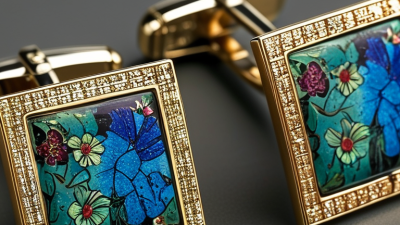
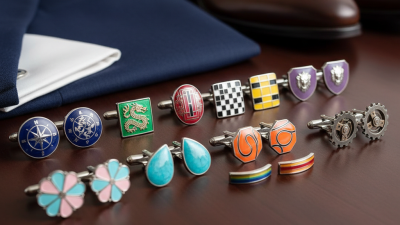
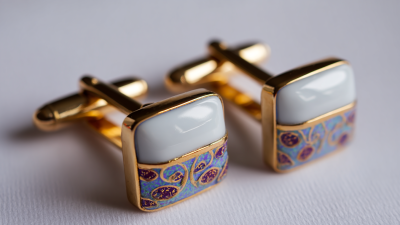
Choosing high-quality Enamel Cufflinks requires more than admiring bright colors or polished packaging. Small details reveal manufacturing discipline. Examine the enamel under strong, neutral light. The surface should appear even, without bubbles, pinholes, cracks, or cloudy patches. Edges should feel smooth against the fingertip. Uneven filling often signals rushed production.
Industry data supports this quality-focused approach. Bain & Company’s Luxury Study 2024 valued the global luxury market at approximately €1.48 trillion across multiple categories. Its findings emphasize experience, craftsmanship, and perceived durability as important purchase drivers. These principles also apply to men’s accessories. The Business Research Company’s apparel accessories market reports identify product quality, design, and brand trust as continuing competitive factors. However, broader market statistics cannot prove one pair is superior. Physical inspection still matters.
Look closely at the base metal, hinge, and locking mechanism. A well-made pair should close firmly without excessive looseness. Gold-tone plating should appear consistent around corners, where wear usually begins. Ask whether the seller clearly states the base metal, plating, enamel process, and care instructions. Transparent descriptions support informed purchasing and align with consumer-protection guidance, including the U.S. Federal Trade Commission’s Jewelry Guides.
No checklist is perfect. I have seen attractive cufflinks with fragile backs and impressive boxes hiding thin plating. That is why buyers should compare photographs with the actual product, request close-up images, and review independent customer feedback. Quality should remain visible after the first celebration, not only beneath showroom lighting.
Understanding Enamel Types and Cufflink Construction
How to Choose High Quality Enamel Cufflinks?
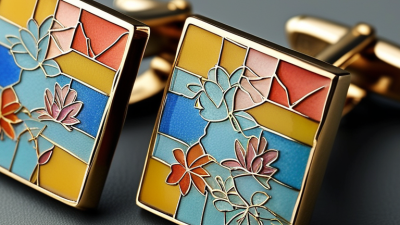
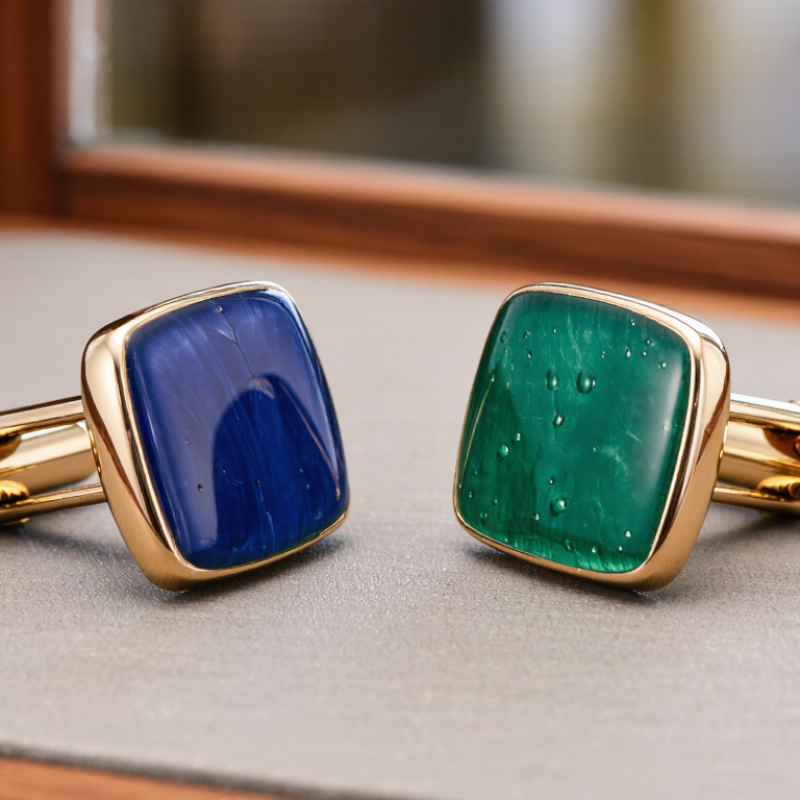
Understanding enamel types and cufflink construction is essential before judging appearance. Hard enamel is glass-based and fired at high temperatures. It creates a smooth, level surface with strong color depth. Soft enamel sits below raised metal borders. It has a textured feel and usually costs less. Champlevé cuts enamel into recessed metal cells, while cloisonné uses thin metal wires to define each area.
Construction matters as much as enamel. Inspect the metal base, hinge, swivel bar, and soldered joints. A quality cufflink should feel balanced, not hollow or sharp. Look for clean edges around every color section. Small bubbles, uneven filling, or hairline cracks suggest rushed production. Plating should look even around the face and back. I have seen attractive samples fail at the hinge, which is easy to overlook.
Industry data also supports careful material checking. The World Gold Council reported 2,092.6 tonnes of global jewelry demand in 2023, showing how significant material selection remains. The Responsible Jewellery Council’s 2024 progress reporting listed more than 1,700 members across 71 countries. Ask for clear metal details and production information. These figures do not prove cufflink quality, but they reinforce the need for traceability.
Tips: Compare two samples under bright light. Rub the surface gently with a soft cloth. Avoid pieces with exposed base metal, loose bars, or unclear material descriptions. A perfect finish is not everything; construction deserves equal attention.
Inspecting Metal, Settings, and Fastening Mechanisms
How to Choose High Quality Enamel Cufflinks?
Inspect the metal under bright, angled light. Look for clean edges, even thickness, and secure solder joints. A mirror finish can hide flaws. I still overvalue shine sometimes. Check the actual metal instead. Silver marked 925 contains 92.5% silver, while 18-karat gold contains 75% gold. These fineness figures follow established jewellery standards. The USGS Mineral Commodity Summaries 2024 reported approximately 26,000 metric tons of silver mine production in 2023. That scale makes material verification more important, not less. Ask for an assay, hallmark, or clear material specification.
Examine the enamel with a ten-power loupe if available. The surface should look smooth, without pinholes, cloudy patches, or sharp color breaks. Inspectors should also check the setting edge. It must hold the enamel evenly, without visible gaps. CIBJO’s jewellery guidance emphasizes accurate material descriptions and proper disclosure, which supports reliable purchasing decisions. A small bubble may not cause immediate failure, but it can reveal weak workmanship.
Test the fastening mechanism repeatedly. Open and close it at least twenty times. The closure should feel firm, not gritty or loose. Check whether the post sits straight and whether the hinge returns smoothly. Chain links need consistent soldering. Toggle bars should pass through easily, then resist accidental movement. Salt, sweat, and friction gradually expose weak plating and poor joints. I would reject a pair with even slight wobbling. That judgment may seem strict, but cufflinks endure repeated movement against fabric.
Evaluating Craftsmanship, Durability, and Design
A well-made enamel cufflink feels balanced in the hand, with smooth edges and a secure, even finish. Examine the colored surface under bright light. It should appear level, without obvious pits, bubbles, or gaps around the metal border. Small variations can occur in handmade work, but rough edges may suggest rushed finishing. Look closely.
Durability depends on more than appearance. Check that the enamel sits firmly within its setting and does not lift at the edges. The backing should move smoothly, then hold its position without wobbling. A sturdy metal body helps the cufflink withstand regular handling, though no finish is immune to scratches. Avoid knocking it against hard surfaces, and store it separately from other jewelry. I have found that a quick visual check after wear can catch looseness before it becomes a problem.
Design should suit both the wearer and the occasion.
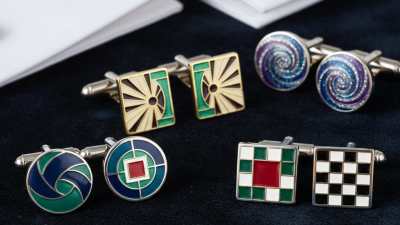
A restrained pattern in navy, deep green, or red pairs easily with plain shirts, while brighter colors draw more attention. Consider the scale: oversized faces can crowd a narrow cuff, and tiny details may disappear at a distance. Comfort matters, too; a bulky back can press against the wrist. Taste is personal, and I would not pretend every polished design feels right for every person.
Choosing a Pair for Your Needs and Budget
Choosing high-quality enamel cufflinks starts with your actual use, not a dramatic display case. For daily office wear, choose a restrained shape, smooth edges, and colors that work with several shirts. Formal events may justify deeper enamel tones and a cleaner metal finish. I have found that small details matter: the hinge should open firmly, while the post should not wobble. Check the hinge. Comfort is practical, not optional.
Your budget should cover construction, not only appearance. Examine the enamel under bright, neutral light. It should look even, without pinholes, cloudy patches, or sharp borders. A secure backing and solid-feeling metal usually matter more than extra decoration. Ask about the metal composition and care instructions. Reliable sellers should provide clear measurements, material information, and a return policy. Be cautious when descriptions sound impressive but offer no specifications.
I once chose a pair because the colors looked perfect online. In person, the posts felt stiff, and the finish showed tiny uneven marks. That mistake changed my buying process. I now compare weight, closure quality, and repair options before paying. Still, heavier does not always mean better; excessive weight can pull a shirt cuff downward. Spend according to wear frequency. A modest pair may serve you longer than an expensive pair bought for one occasion. Leave room for doubt.
How to Choose High Quality Enamel Cufflinks? - Choosing a Pair for Your Needs and Budget
| Option |
Typical construction |
What to check for quality |
Best suited to |
Indicative retail budget (USD) |
| Entry-level enamel |
Often a base-metal body with colored enamel and a standard swivel-bar fastening. |
Look for even color, clean edges, no visible chips, and a bar that rotates and closes securely. |
Occasional wear, gifts, and trying a color or motif. |
About $15–$50 |
| Mid-range hard enamel |
Enamel is typically filled and polished close to flush with the surrounding metal; the body may be silver-colored base metal or sterling silver. |
Check that the polished surface is smooth, the color is consistent, and the metal setting has no sharp or rough edges. |
Regular office or event wear with a neat, refined appearance. |
About $40–$150 |
| Mid-range soft enamel |
Colored enamel sits in recessed areas, leaving raised metal outlines that create a textured surface. |
Inspect the raised outlines for clear definition and check that the recessed color is evenly applied without obvious gaps. |
Wearers who prefer visible texture and detailed designs. |
About $25–$120 |
| Sterling silver with enamel |
A sterling silver body combined with enamel; silver content is commonly marked “925” when applicable. |
Look for a clear metal-content mark and ask for material details. Check the hinge or swivel for smooth movement and a firm hold. |
Frequent wear, a traditional precious-metal finish, or a lasting gift. |
About $75–$300+ |
| Decorative cloisonné |
Fine metal wires form boundaries between enamel colors; techniques and materials vary by maker. |
Check that the wire outlines are secure and well finished, the colors are distinct, and the reverse and fastening are carefully made. |
Special occasions, intricate designs, and collectors who value craftsmanship. |
About $100–$500+ |
|
Buying note: Prices are broad, indicative retail ranges and vary with materials, workmanship, design, and seller. Enamel can chip if struck or dropped; remove cufflinks before activities that may expose them to impacts, and store them separately from harder jewelry.
|