Leave Your Message
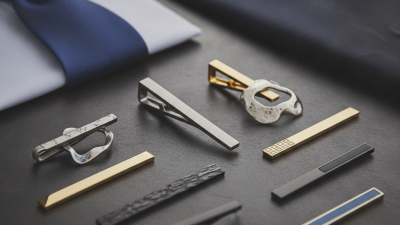
A well-chosen Tie Clip Set can make a formal outfit look deliberate without appearing overstyled. In 2026, men have more choices than basic silver bars and matching cuff links. Modern sets may include textured finishes, slim tie clips, pocket squares, lapel pins, or coordinated bracelets. Each detail affects balance, comfort, and overall polish.
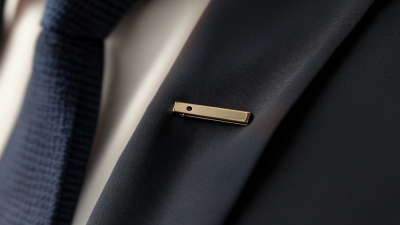
This guide examines ten Tie Clip Set options for office wear, weddings, interviews, and evening events. We consider metal quality, spring tension, clip width, finish durability, and how securely each piece holds a tie. A clip should grip firmly without leaving deep marks. It should also sit between the third and fourth shirt buttons, rather than hanging too high or low. Small differences matter.
Real-world comfort matters too.
We look at daily practicality, not only presentation. Some sets appear impressive online but feel lightweight or awkward after several hours. Others offer excellent value while showing minor imperfections in plating or packaging. That honesty matters. Personal style also changes the result; a polished gold set may suit a warm-toned outfit, while brushed steel often works better with cooler colors. Our selections reflect practical testing principles, product details, and common menswear standards. Still, no single set will suit every man. Your tie fabric, shirt fit, and event setting should influence the final choice.
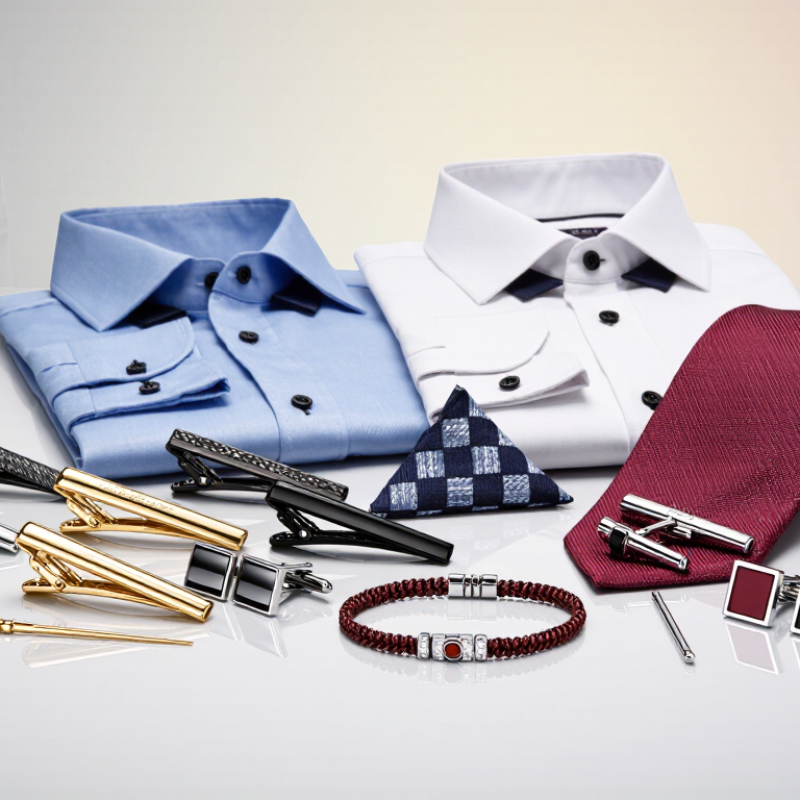
A quality tie clip set earns its place through fit, reliable construction, and useful variety—not a box of near-identical pieces. Each clip should sit across the tie and shirt placket without pulling the fabric or sliding during ordinary movement. For a standard-width tie, a clip roughly three-quarters as wide often looks balanced; narrow ties need a shorter option. Check that the hinge applies even pressure, and inspect the edges for rough spots that could catch delicate fabric. Small details matter.
A practical set might include polished and brushed finishes, giving you options for different shirts and occasions. The color should look consistent across pieces, and the finish should resist obvious scratches from careful daily use. A simple storage case helps prevent clips from rubbing together in a drawer. Still, no set works equally well with every tie. A shiny clip can show fingerprints, while a heavier one may pull on thin fabric. I would prioritize secure grip and smooth edges over extra accessories. It is easy to overlook the clasp until it slips.
A practical comparison of tie clip set styles and quality factors. Set contents vary by seller; check the item description for the exact number of pieces and materials.
| Set style | Typical set contents | Material and finish | What to check for quality | Best suited to |
|---|---|---|---|---|
| 1. Classic stainless-steel set | Often two or three clips in different lengths or finishes | Stainless steel; commonly polished or brushed | Smooth edges, secure spring tension, and a finish without pits or scratches. Stainless steel generally resists corrosion, though care still matters. | Everyday wear and a versatile first set |
| 2. Sterling-silver set | One or more clips, sometimes paired with matching accessories | Sterling silver, usually identified as 925 when genuine | Look for clear material disclosure and a 925 hallmark where applicable. Sterling silver can tarnish and may need occasional polishing. | Dress occasions and shoppers who prefer precious metal |
| 3. Brushed-finish set | Usually a small group of clips with a matte or satin appearance | Often stainless steel or plated base metal with a brushed surface | Check that the brushing is even and the edges are clean. The underlying metal should be stated separately from the surface finish. | Business outfits and understated styling |
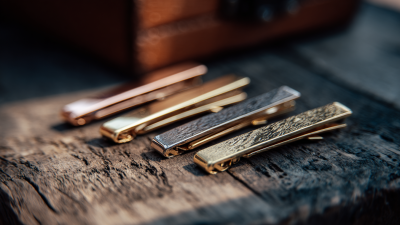
| 4. Mixed-finish set | Several clips with combinations such as polished, brushed, or dark finishes | May use one base metal with different surface treatments | Confirm whether contrasting colors are coatings or solid materials. Coatings can wear with repeated friction and contact with chemicals. | Those who want options for different shirts and suits |
| 5. Gold-tone set | One or more gold-colored clips, sometimes in multiple lengths | Typically gold-tone plating over another metal; verify any solid-gold claim carefully | Look for specific material and plating information. Avoid assuming that a gold color means the piece is made of gold. | Warm-toned accessories and formal outfits |
| 6. Tie clip and cufflink set | A tie clip with a pair of cufflinks; some sets also include a storage case | Commonly stainless steel, sterling silver, or plated base metal | Check that the clip and cufflinks have matching finishes and that the cufflink backs move smoothly and hold securely. | Gift giving and coordinated formal wear |
| 7. Slim-profile set | Usually narrow clips offered in more than one finish or length | Often stainless steel or plated metal | The clip should hold the tie and shirt placket without bending the fabric. Match its length to the width of the tie. | Narrow ties and clean, modern outfits |
| 8. Engravable set | One or more clips with a relatively flat area for engraving | Material varies; stainless steel and sterling silver are common options | Check the usable engraving area, engraving method, and whether personalization affects returns. The blank surface should be even. | Personalized gifts and commemorative occasions |
| 9. Textured or patterned set | Clips with engraved lines, geometric details, or other surface patterns | May be solid stainless steel, silver, or a coated base metal | Look for crisp, consistent detailing and edges that will not snag fabric. Confirm the base material rather than judging by appearance alone. | Adding subtle detail to plain ties and shirts |
| 10. Multi-length starter set | Several clips in different lengths, sometimes with a simple storage box | Often stainless steel or plated metal; verify each piece’s material | Choose a clip that spans roughly half to three-quarters of the tie’s width. Check that the sizes are clearly listed and the storage keeps pieces from rubbing together. | New tie-clip users and wardrobes with varied tie widths |
Quick fit note: A tie clip generally fastens the tie to the shirt placket. Select a length that does not extend beyond the tie’s edges, and follow the maker’s care instructions for plated or precious-metal finishes.