Best Tie Bars For Men How To Choose The Perfect One?
When it comes to accessorizing, "Tie Bars For Men" play a crucial role in defining a polished look. These small yet impactful items can elevate an outfit, making them essential in any man's wardrobe. Choosing the right tie bar can be daunting due to the variety of styles and materials available. A good tie bar not only secures your tie but also complements your overall style.
Understanding the significance of a tie bar is essential. It reflects a man's attention to detail and fashion sense. A sleek silver bar exudes professionalism, while a colorful option can showcase personality. Remember, the width should match your tie for a balanced appearance. It's important to reflect on what you want to convey through your accessories.
Many men overlook the potential of tie bars. They might choose convenience over style, which can be a missed opportunity. Consider experimenting with different designs and placements. A tie bar should enhance your outfit, not overpower it. In the end, the perfect tie bar is one that aligns with your style and occasion. Reflect on your choices and remember—accessories matter.
Types of Tie Bars and Their Unique Features
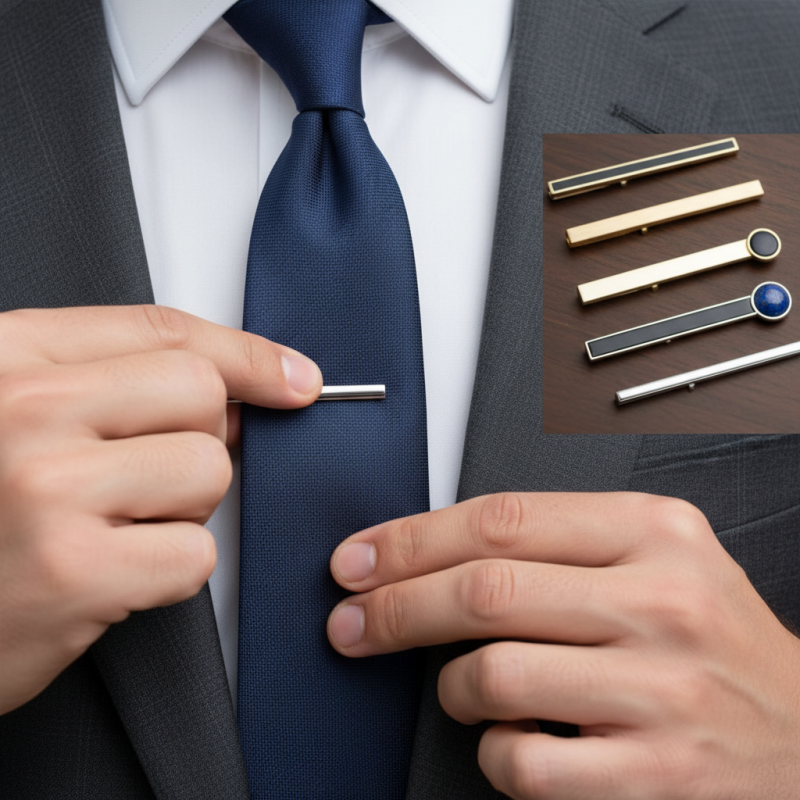
When it comes to choosing a tie bar, understanding the different types is essential. Tie bars come in various styles, each offering unique features. The classic tie bar is typically sleek and simple. It complements most tie styles and adds a touch of elegance. A more modern option is the clip-on tie bar, which is easy to use and adjusts to any tie width.
Another variety is the decorative tie bar, adorned with patterns or colors. This style makes a bold statement and shows off personal flair. Wood or metal finishes can offer a natural look, appealing to those who prefer a more rustic vibe. However, one might find it challenging to strike the right balance between style and function. A tie bar that is too flashy may overshadow the tie itself.
It’s also crucial to consider the width of the tie bar in relation to the tie. Aim for a tie bar that is about 70-80% of the tie's width for harmony in your outfit. Experimenting with different styles can lead to unexpected pairings. Don't be afraid to seek feedback. Sometimes, we need to reflect on our choices to find what truly works best.
Best Tie Bars For Men - How To Choose The Perfect One?
| Tie Bar Type |
Material |
Width |
Finish |
Unique Features |
| Classic Tie Bar |
Stainless Steel |
0.25 inches |
Polished |
Timeless Design |
| Skinny Tie Bar |
Brass |
0.15 inches |
Satin |
Modern Appeal |
| Colored Tie Bar |
Aluminium |
0.25 inches |
Anodized |
Vibrant Colors |
| Textured Tie Bar |
Titanium |
0.20 inches |
Brushed |
Unique Grip |
| Novelty Tie Bar |
Plastic |
0.20 inches |
Glossy |
Fun Designs |
Materials Used in Tie Bar Construction
When selecting a tie bar, the materials used in its construction greatly influence both aesthetics and functionality. Most tie bars are made from metals such as stainless steel, brass, or titanium. Stainless steel is the most popular choice due to its durability and resistance to tarnishing. A report from the Jewelry Industry Council highlights that over 70% of men prefer stainless steel tie bars for everyday use.
Brass, known for its warm golden hue, can add a unique touch to your outfit. However, it may require more maintenance to keep its shine. Meanwhile, titanium, though often more costly, offers lightweight strength and hypoallergenic properties. As the market trends shift, the demand for innovative materials is rising. Emerging materials like carbon fiber and even wood are gaining popularity among fashion-forward consumers.
While design is important, the feel and weight of a tie bar affect its usability. An ideal tie bar should neither be too heavy nor too light. Studies suggest that 55% of tie bar users prefer a moderate weight that provides a secure hold without causing discomfort. Ultimately, understanding material properties and manufacturing norms can lead to a more informed choice in tie bars.
How to Measure for the Perfect Tie Bar Length
When choosing a tie bar, measuring for the perfect length is crucial. A tie bar should ideally cover between 70% to 80% of your tie's width. This ensures a balanced look without overwhelming the tie or being too hidden. For example, if your tie is 3 inches wide, aim for a bar that is about 2.1 to 2.4 inches long. This rule helps maintain proportion and visual appeal.
To measure for your tie bar, start by laying your tie flat. Position the bar at the point where it will clamp. Keep it at a slight angle, as this can impact the visual line. If your tie features bold patterns, a narrower bar is often a subtle choice. Choosing materials that match your outfit’s tone can elevate your appearance as well. A polished finish can offer a sleek look, while matte options may appear more casual.
Be mindful of your styles as well. A tie bar should complement your overall ensemble. Experiment with different widths and styles, as what looks good on one person might not suit another. Reflect on your entire outfit and make adjustments accordingly. Finding that perfect balance may take time, but it ultimately enhances your personal style.
Best Tie Bars Length Comparison
The chart above shows the popularity of different tie bar lengths among men. The medium length (3-4 inches) is the most preferred, indicating that it strikes the right balance for a majority of users.
Color and Finish: Matching Your Tie Bar with Outfits
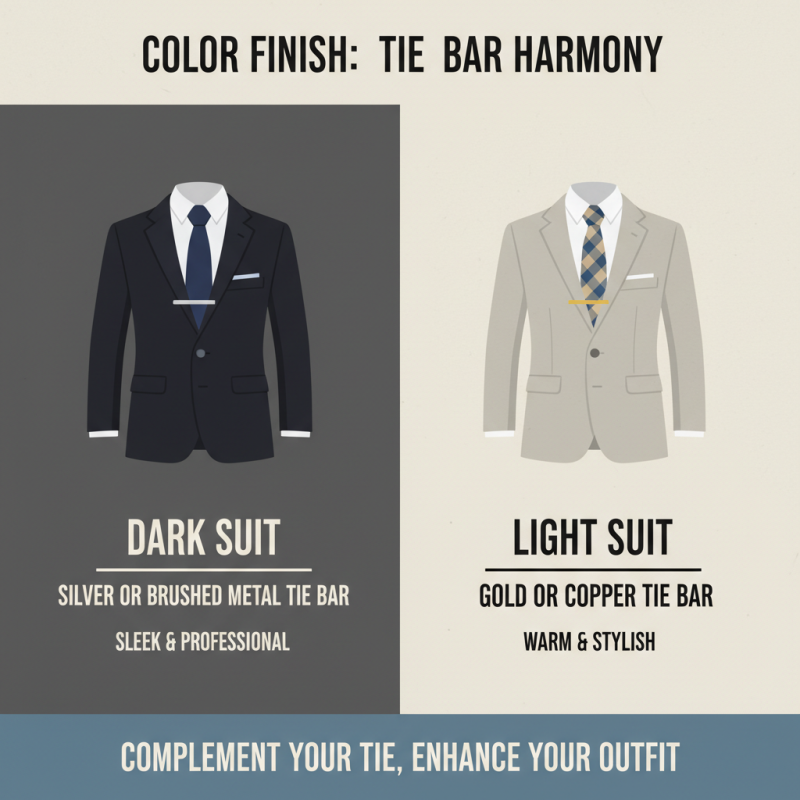
When choosing a tie bar, color and finish play a crucial role in your overall appearance. A tie bar should complement your tie while enhancing your outfit. If you're wearing a predominantly dark suit, opt for a tie bar in silver or brushed metal. These finishes add a sleek touch, making your look sharp and professional.
On the other hand, if your outfit consists of lighter colors, consider a gold tie bar or one with a polished finish. This creates a warm contrast, drawing attention to your tie without overpowering it. Accessories should harmonize, rather than clash. Remember, the trick lies in balancing your palette. Too many conflicting colors can detract from your overall style.
Don't overlook the material of the tie bar. It can significantly influence its appearance. A matte finish may feel understated but can exude elegance in a more relaxed setting. However, a shiny tie bar can add flair to formal attire. Reflect on how each option makes you feel. Somedays, you might prefer subtlety; others call for bold choices. Finding that middle ground may take time and experimentation.
Styling Tips for Wearing Tie Bars Effectively
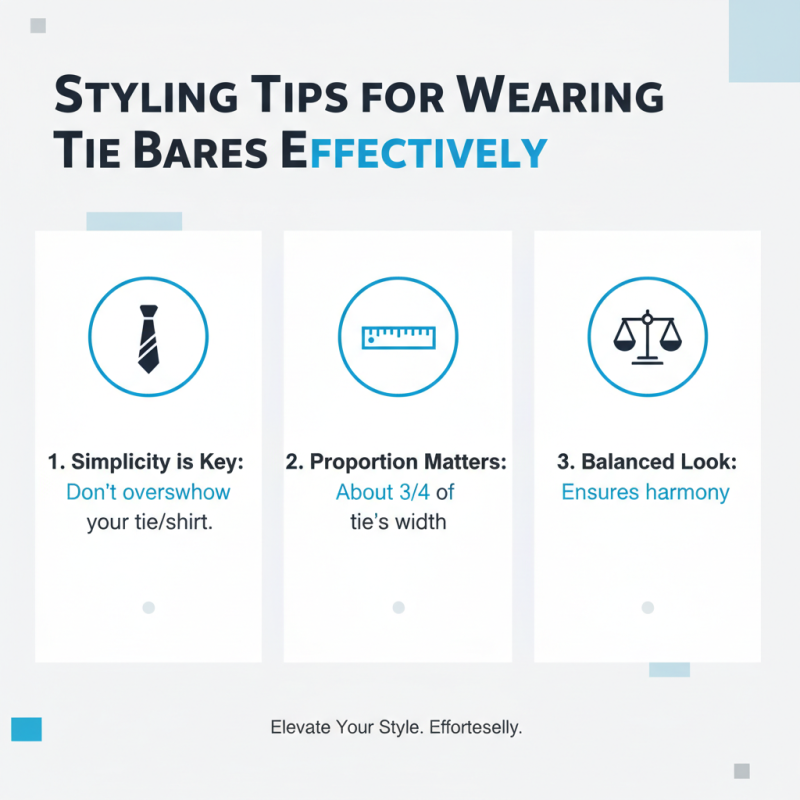
When styling with tie bars, simplicity is key. A tie bar should not overshadow your tie or shirt. Aim for a balanced look. Choose a size that fits your tie width, generally about three-quarters the width of the tie. This ensures harmony in your outfit.
To wear a tie bar effectively, consider the placement. Clip it just below the halfway mark of your tie. This allows the tie to drape naturally. Avoid clipping it too high or too low. It can look awkward. The materials matter too. A metal tie bar can give a sleek feel, while wood offers a casual touch.
Occasion is essential as well. For formal events, opt for a classic design. A minimalist silver or gold tie bar works best. In contrast, for casual outings, explore fun shapes or colors. Each choice impacts your overall appearance. Reflect on how your tie bar aligns with your personal style. This awareness will elevate your look effortlessly.